-
Exhibitions
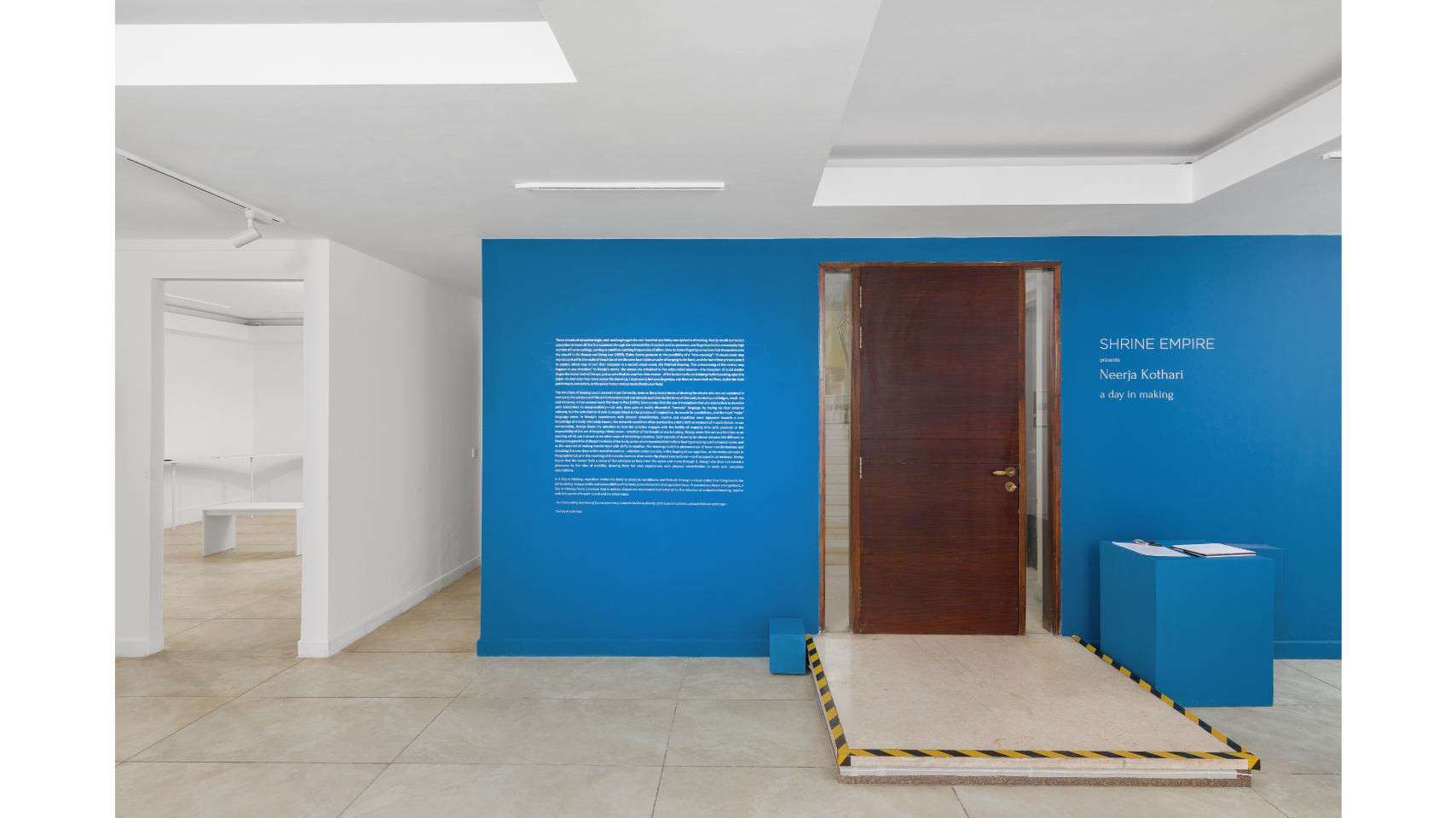
- a day in making |
Solo Show
- — Neerja Kothari
-
![a day in making (Set 12)]() a day in making (Set 12)
a day in making (Set 12)
-
![a day in making (Set 7)]() a day in making (Set 7)
a day in making (Set 7)
-
![a day in making (Set 1)]() a day in making (Set 1)
a day in making (Set 1)
-
![a day in making (Set 11)]() a day in making (Set 11)
a day in making (Set 11)
-
![a day in making (Set 10)]() a day in making (Set 10)
a day in making (Set 10)
-
![a day in making (Set 9)]() a day in making (Set 9)
a day in making (Set 9)
-
![a day in making (Set 6)]() a day in making (Set 6)
a day in making (Set 6)
-
![a day in making (Set 5)]() a day in making (Set 5)
a day in making (Set 5)
-
![a day in making (Set 4)]() a day in making (Set 4)
a day in making (Set 4)
-
![a day in making (Set 2)]() a day in making (Set 2)
a day in making (Set 2)
-
![a day in making (Set 3)]() a day in making (Set 3)
a day in making (Set 3)
-
![a day in making (Set 8)]() a day in making (Set 8)
a day in making (Set 8)
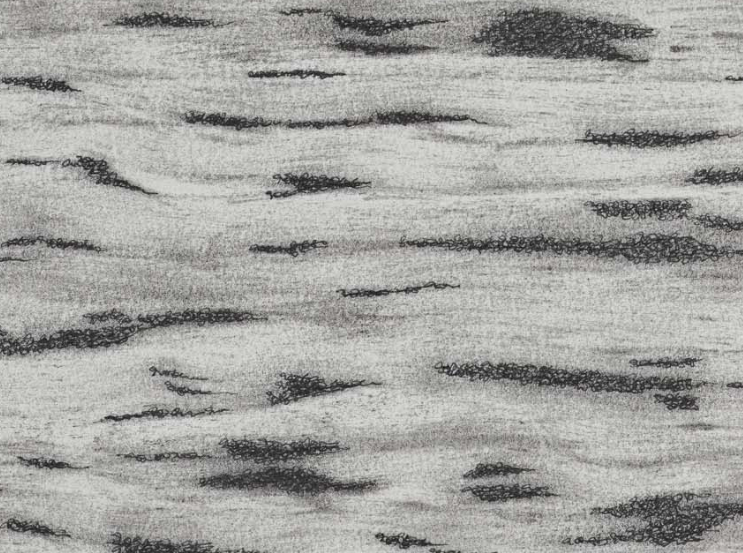
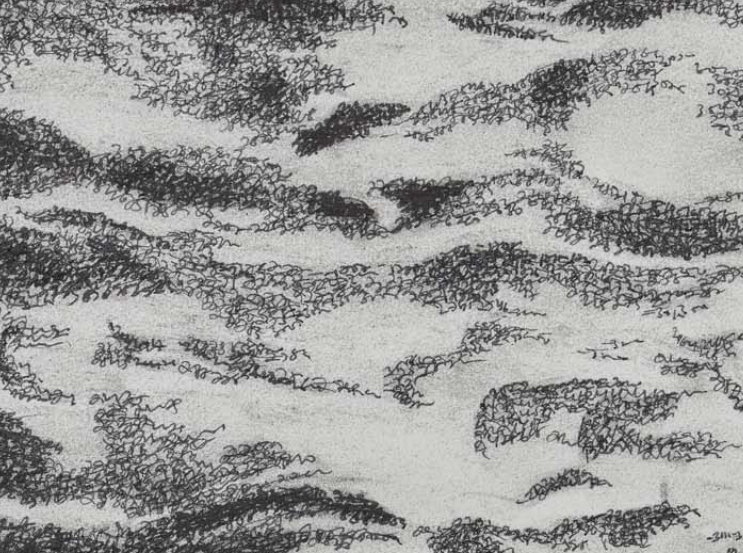
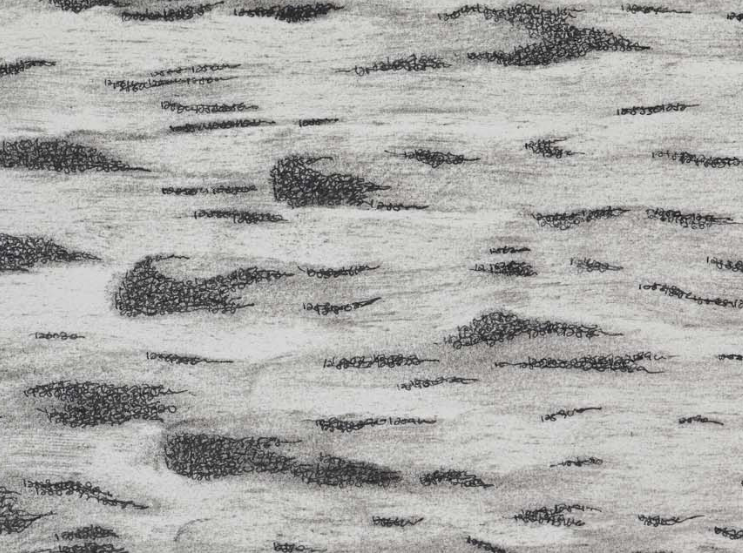
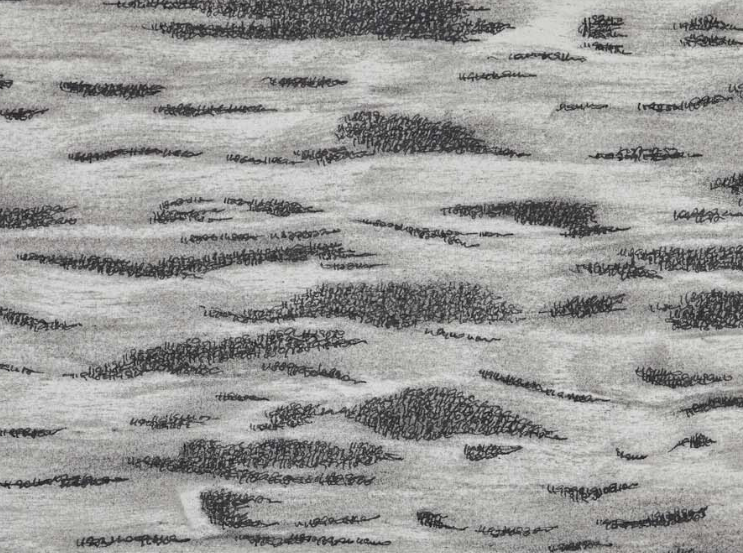
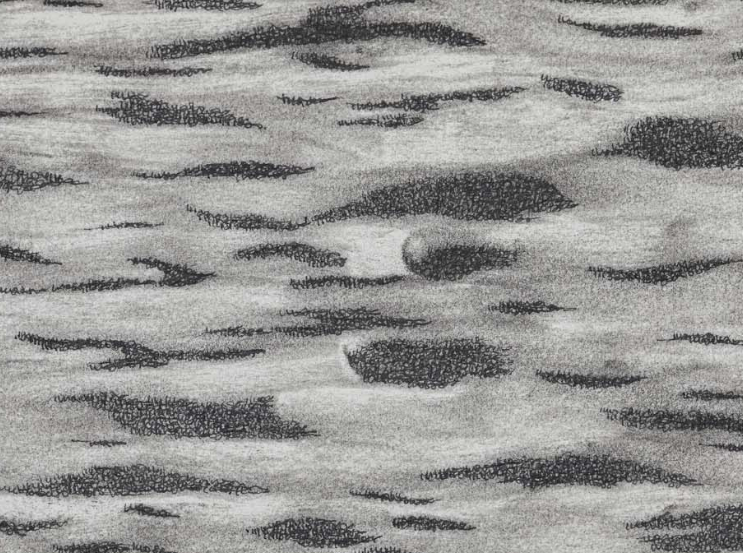
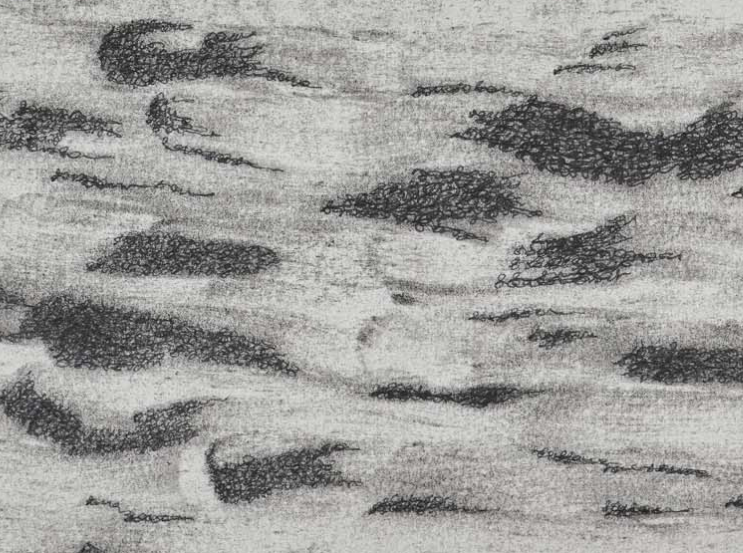
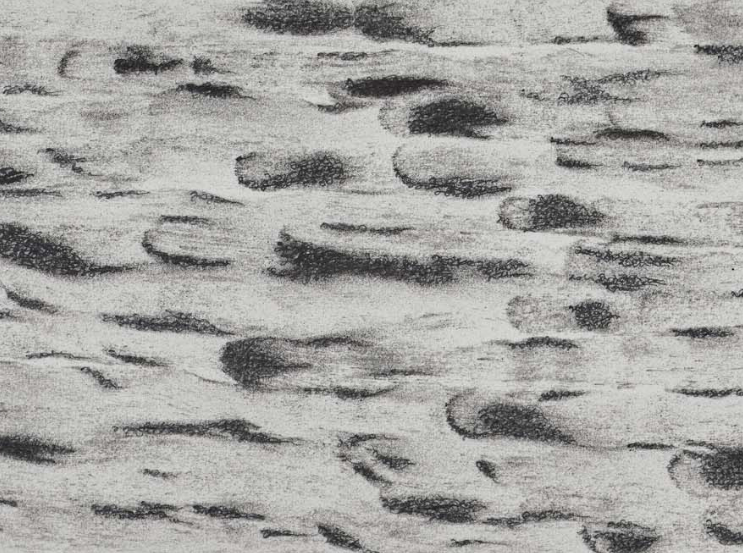
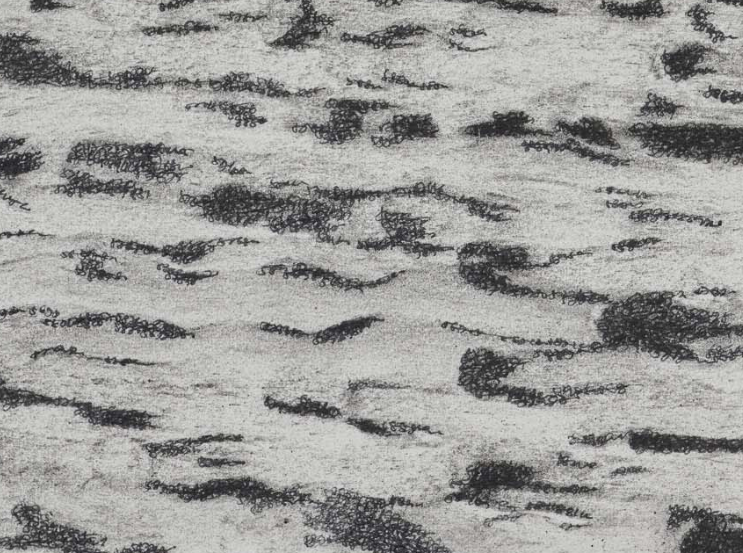
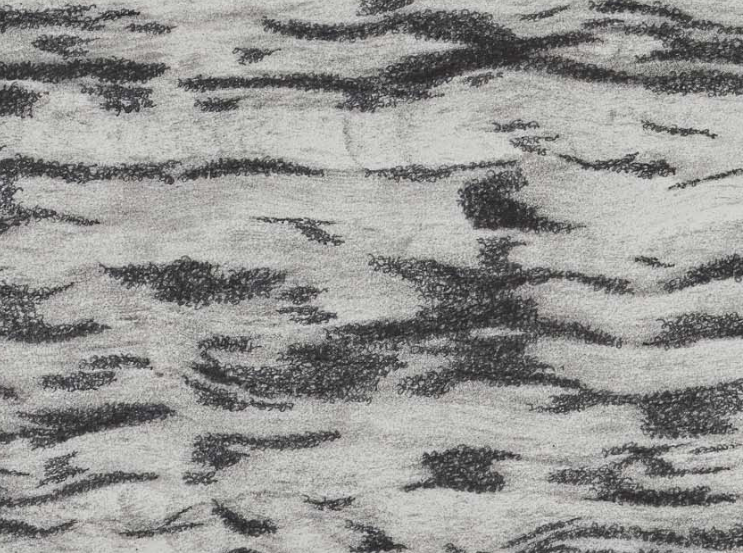
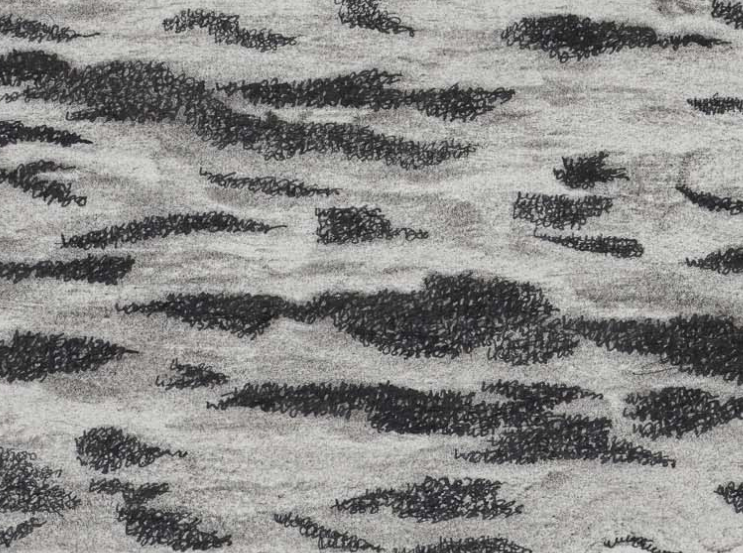
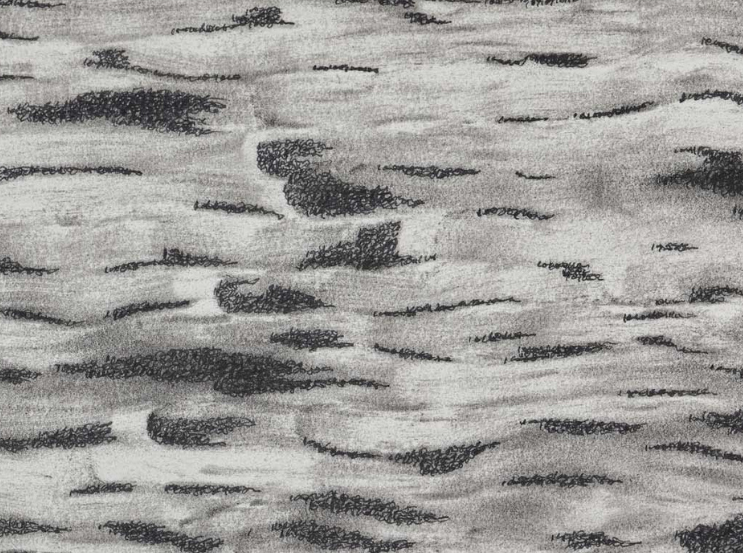
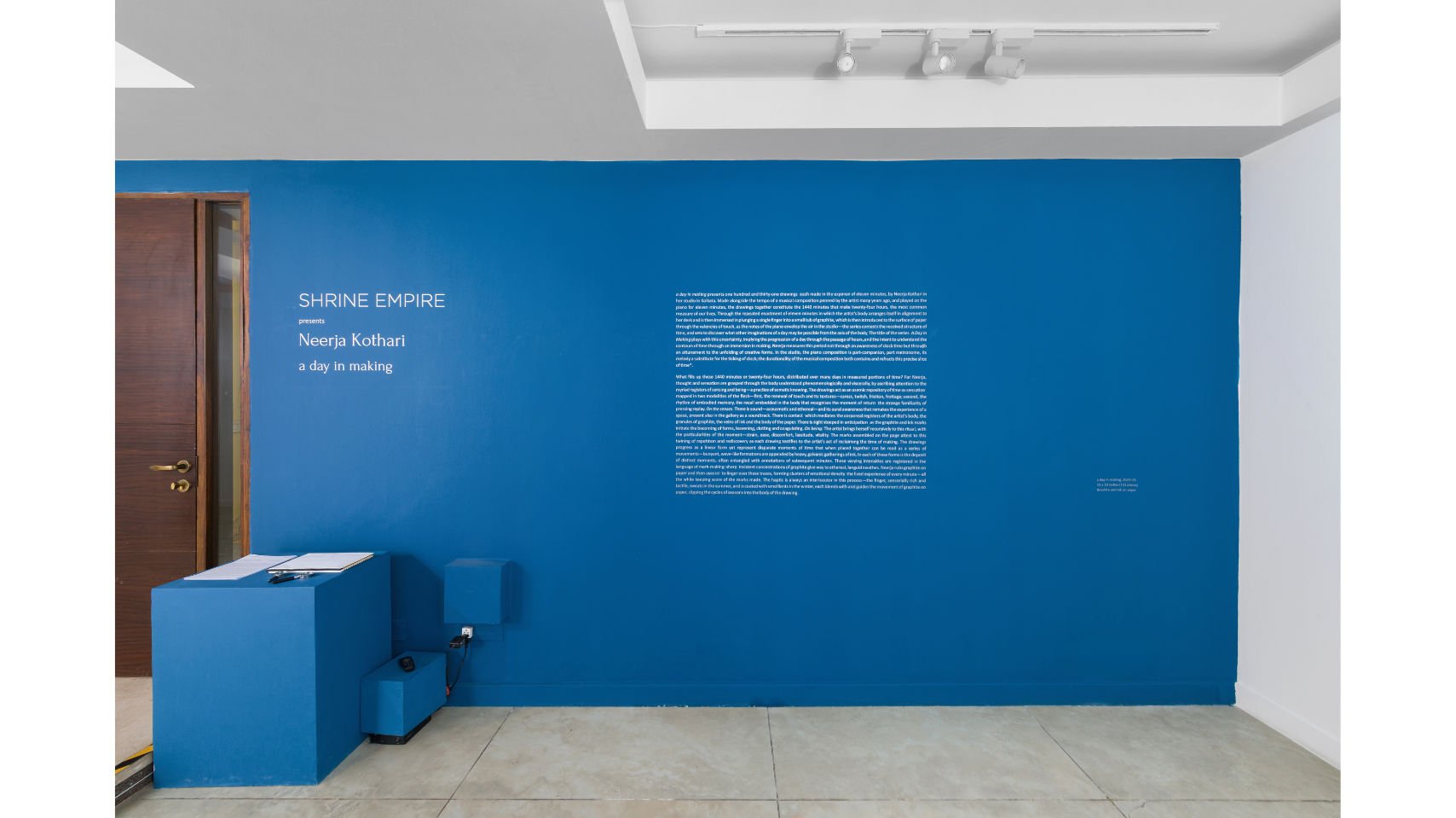
A Day in Making
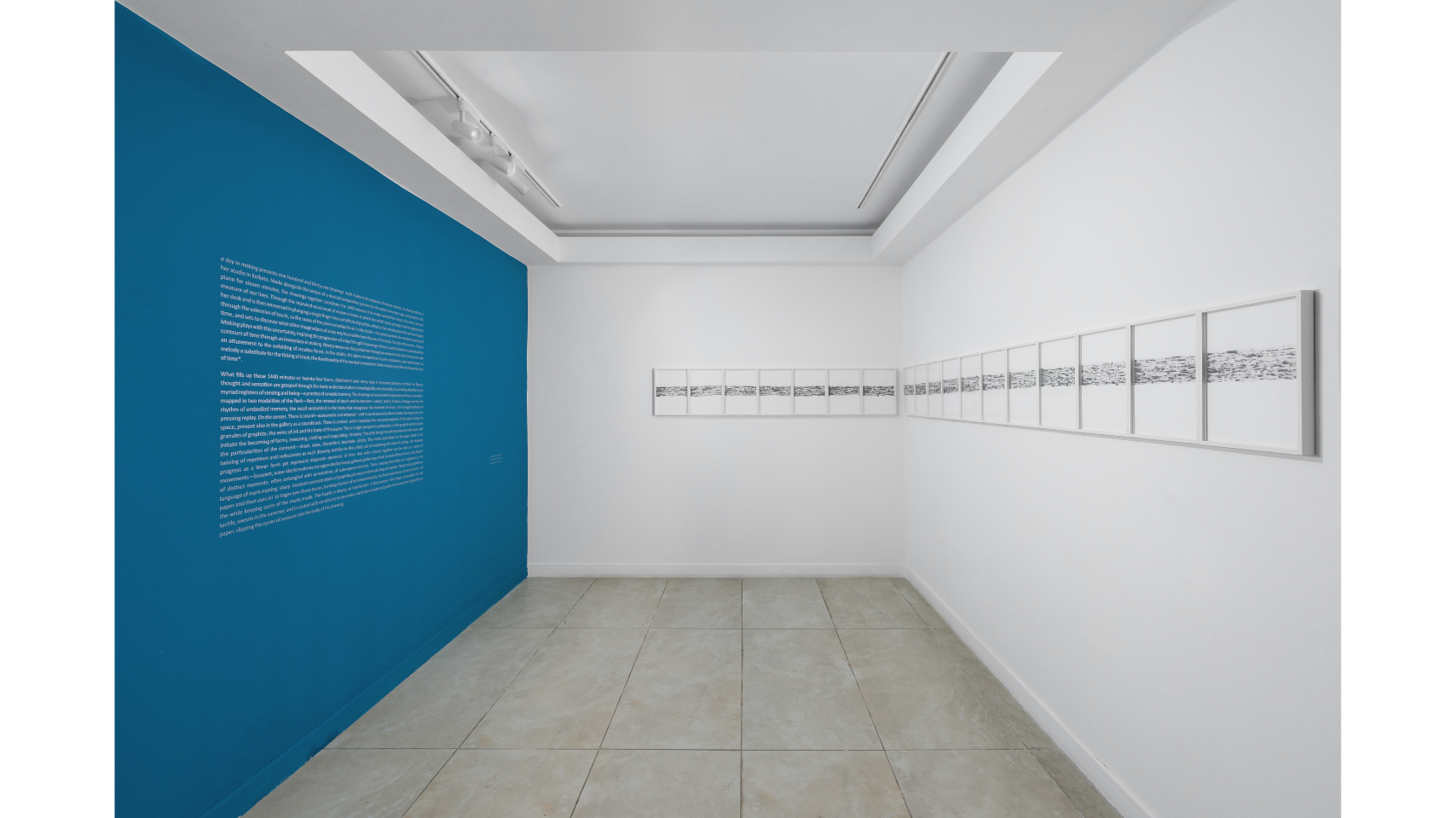
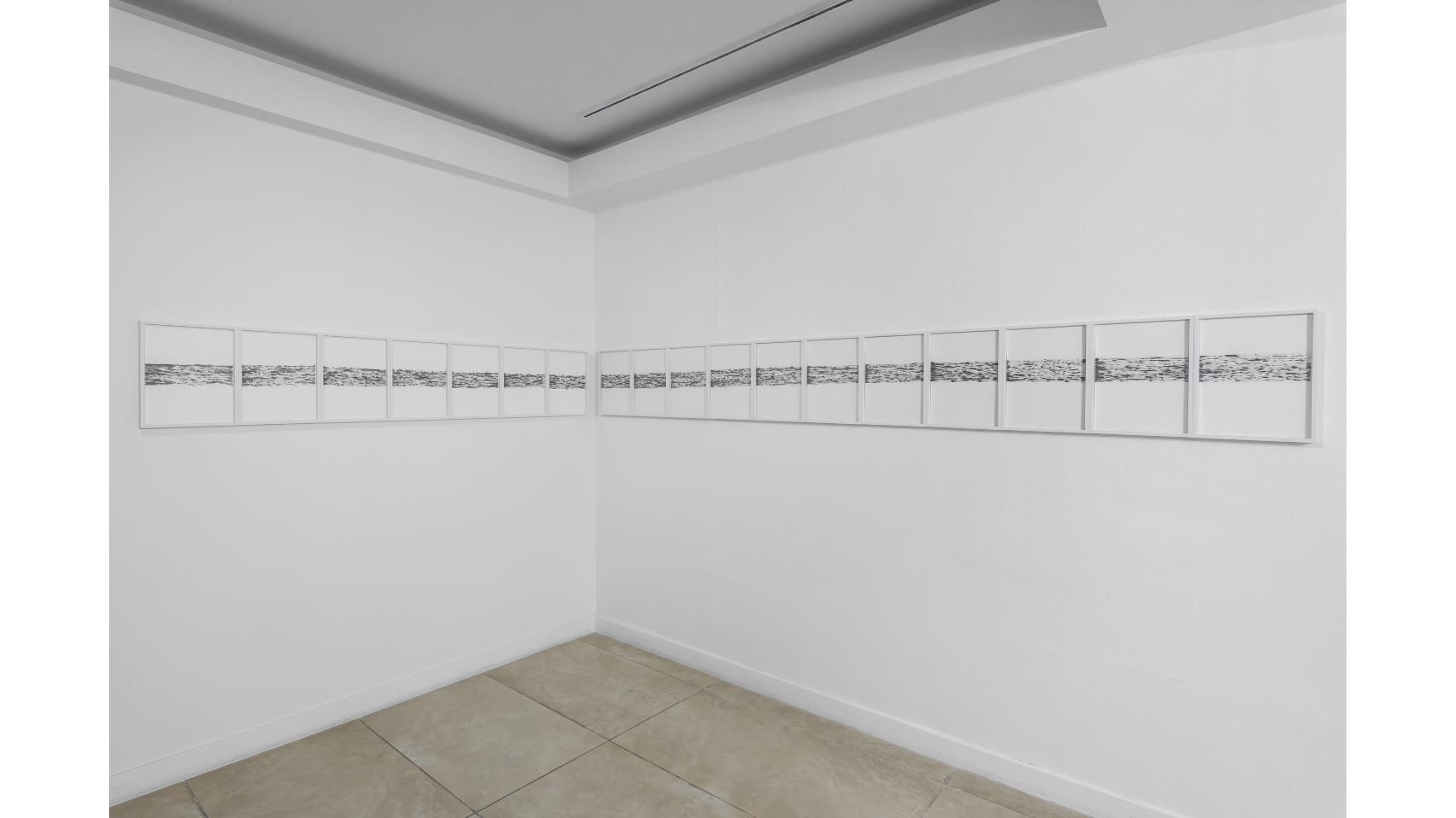
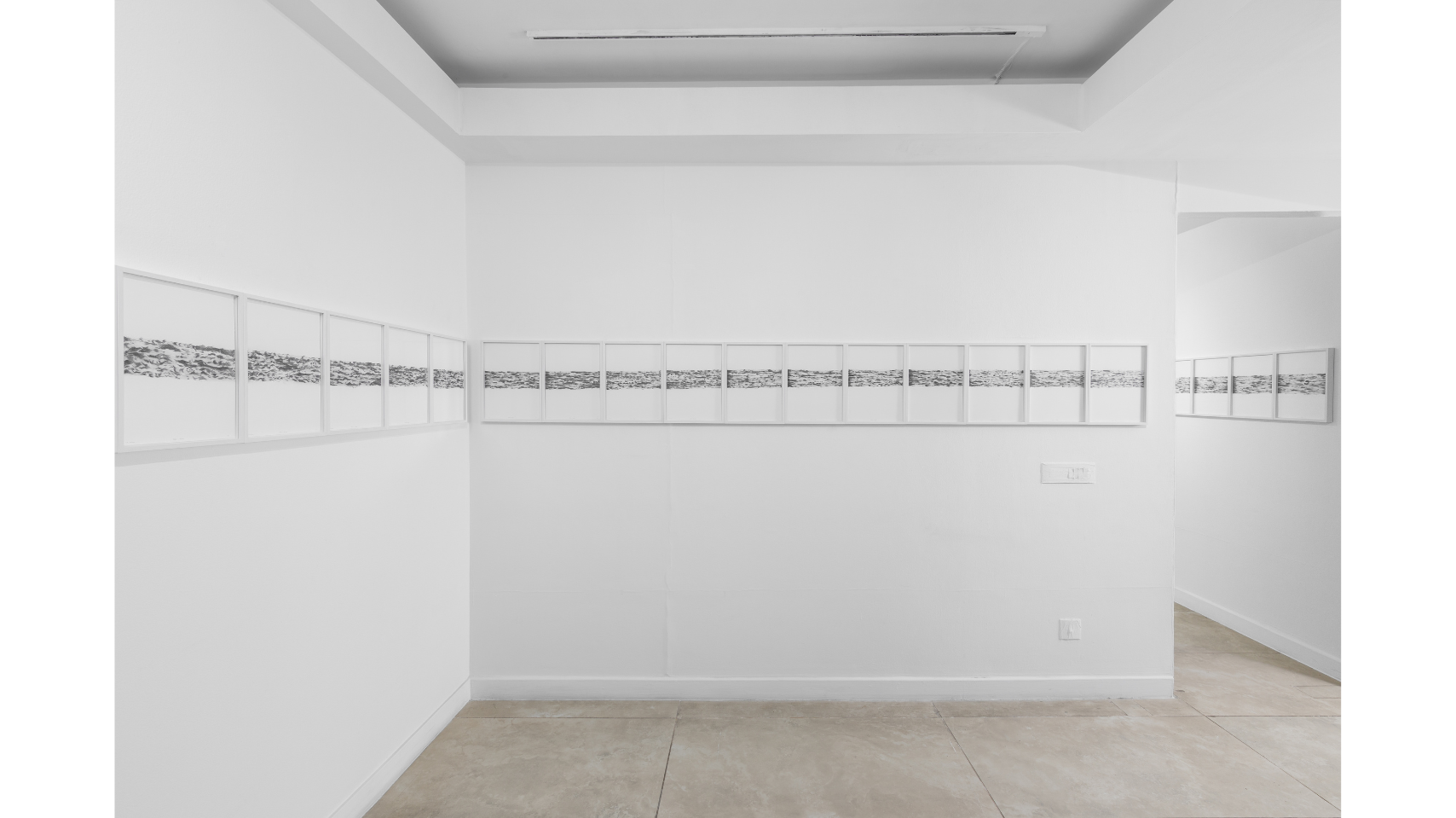
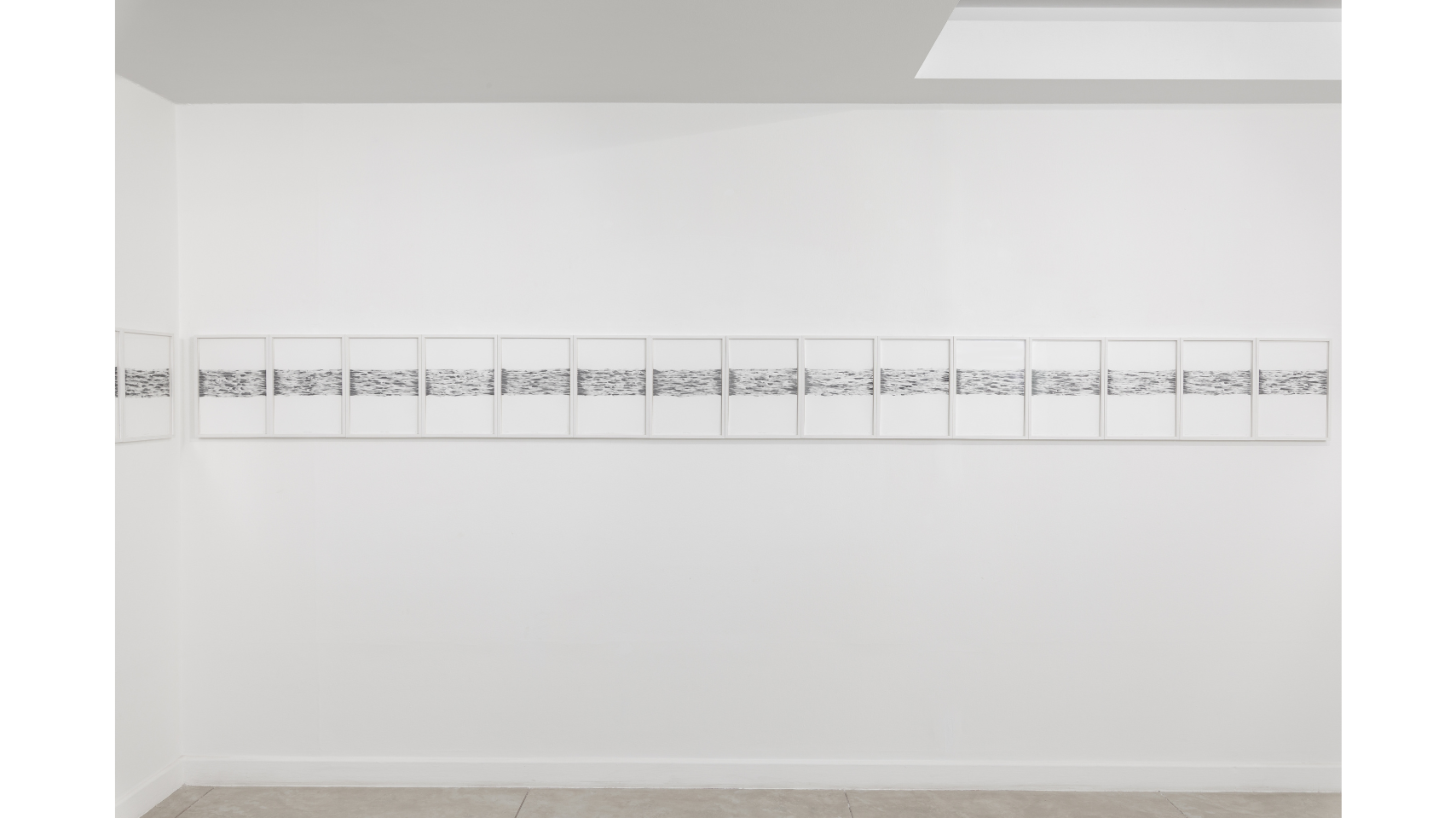
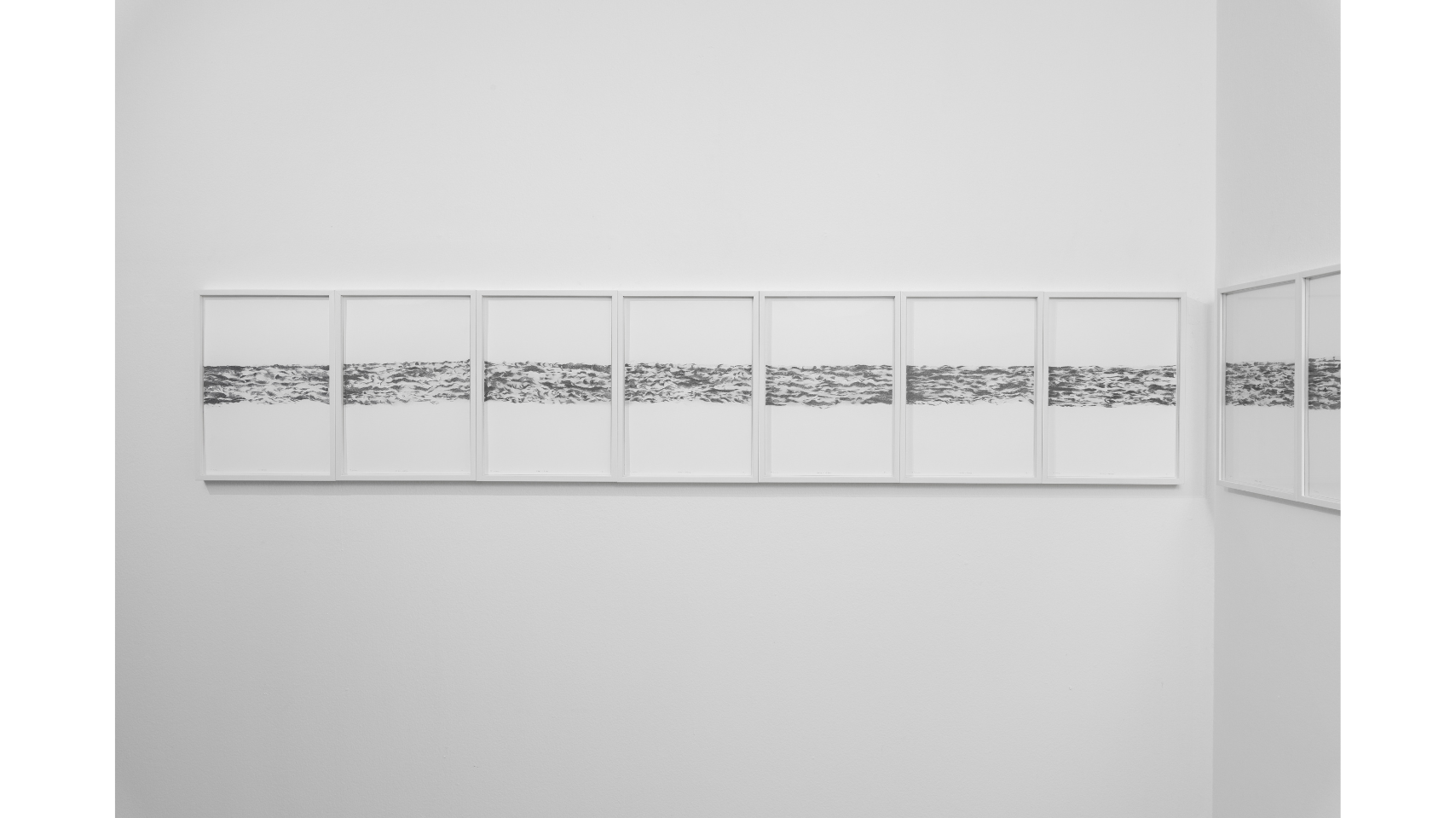
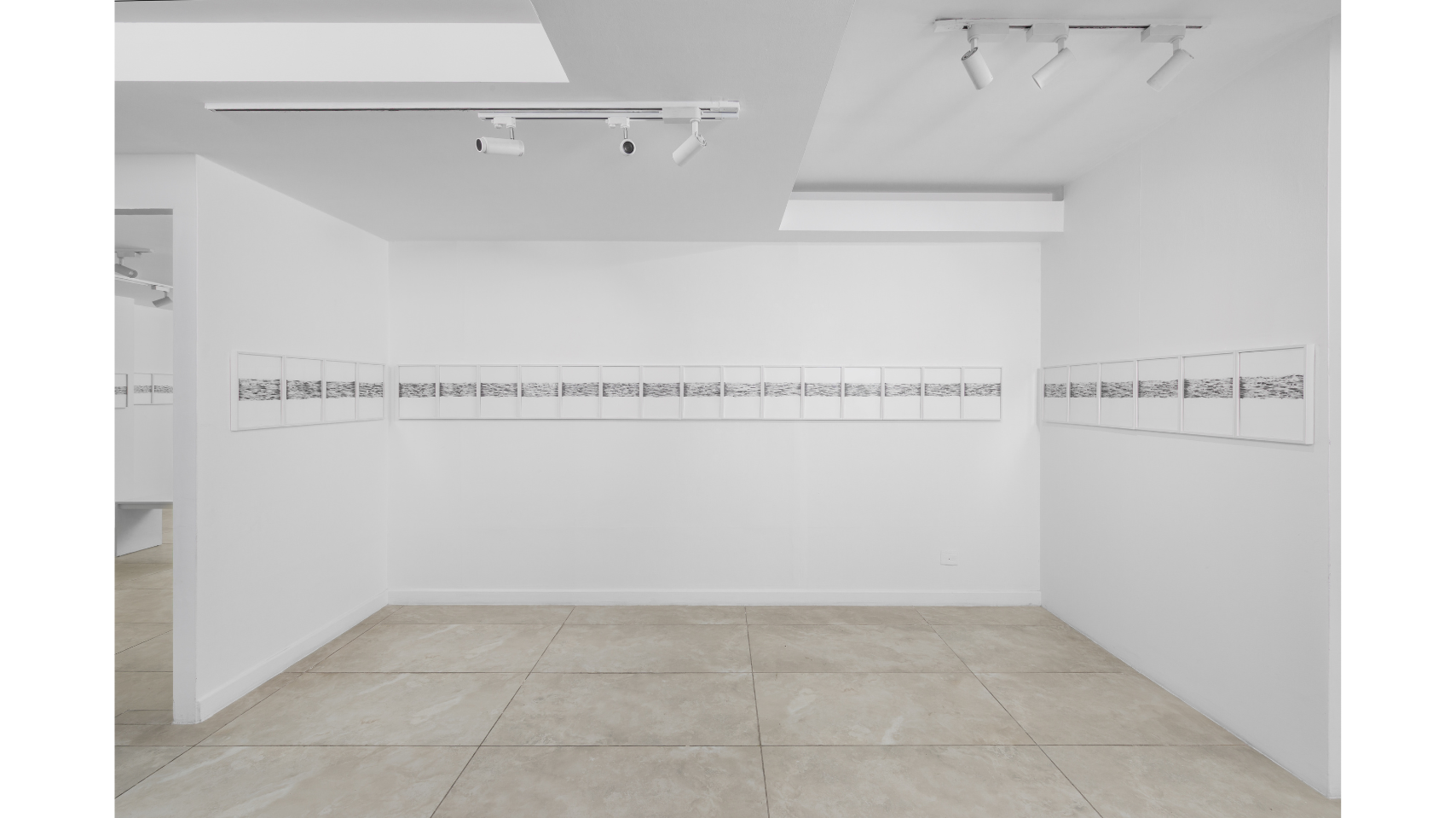
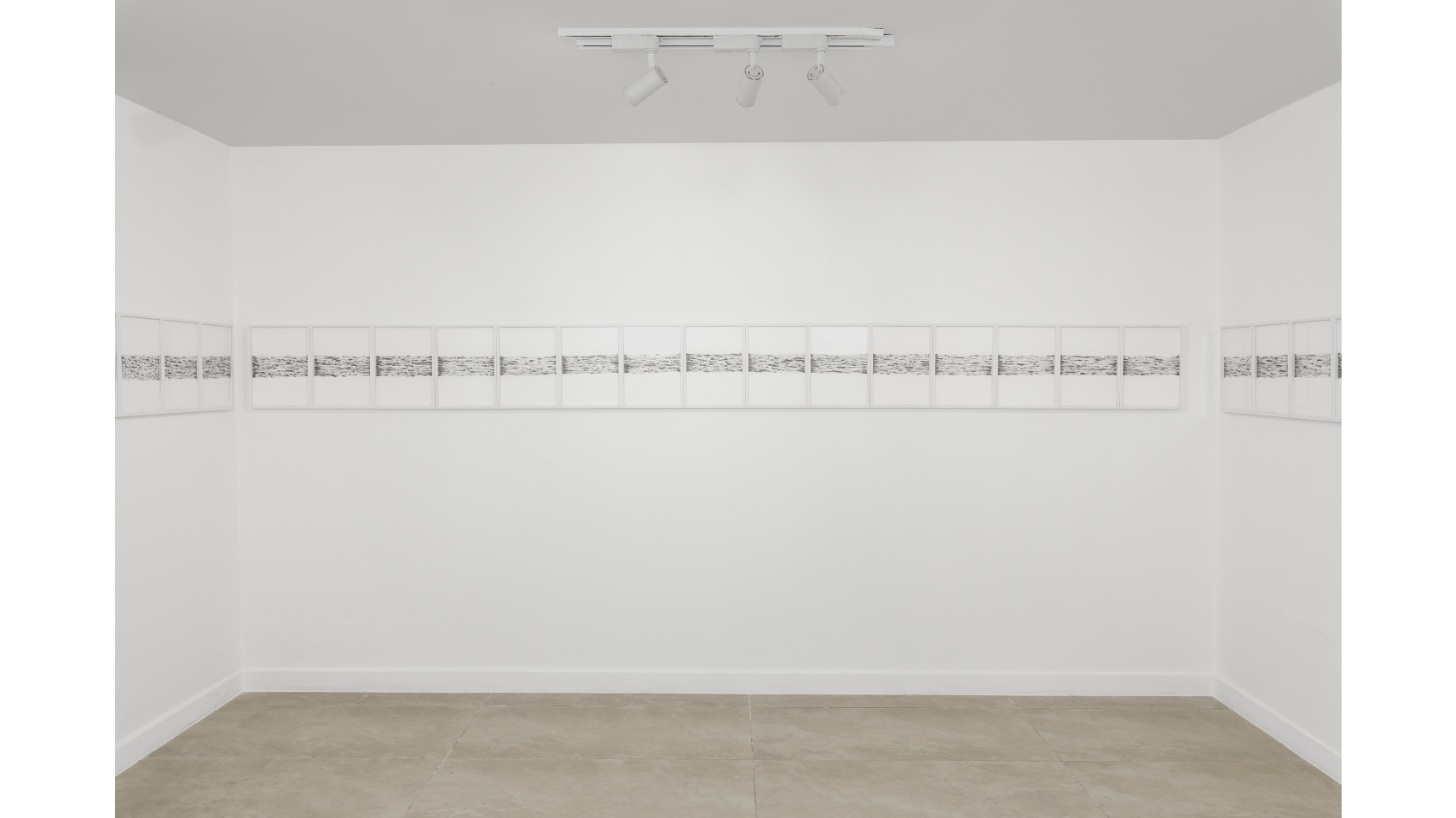
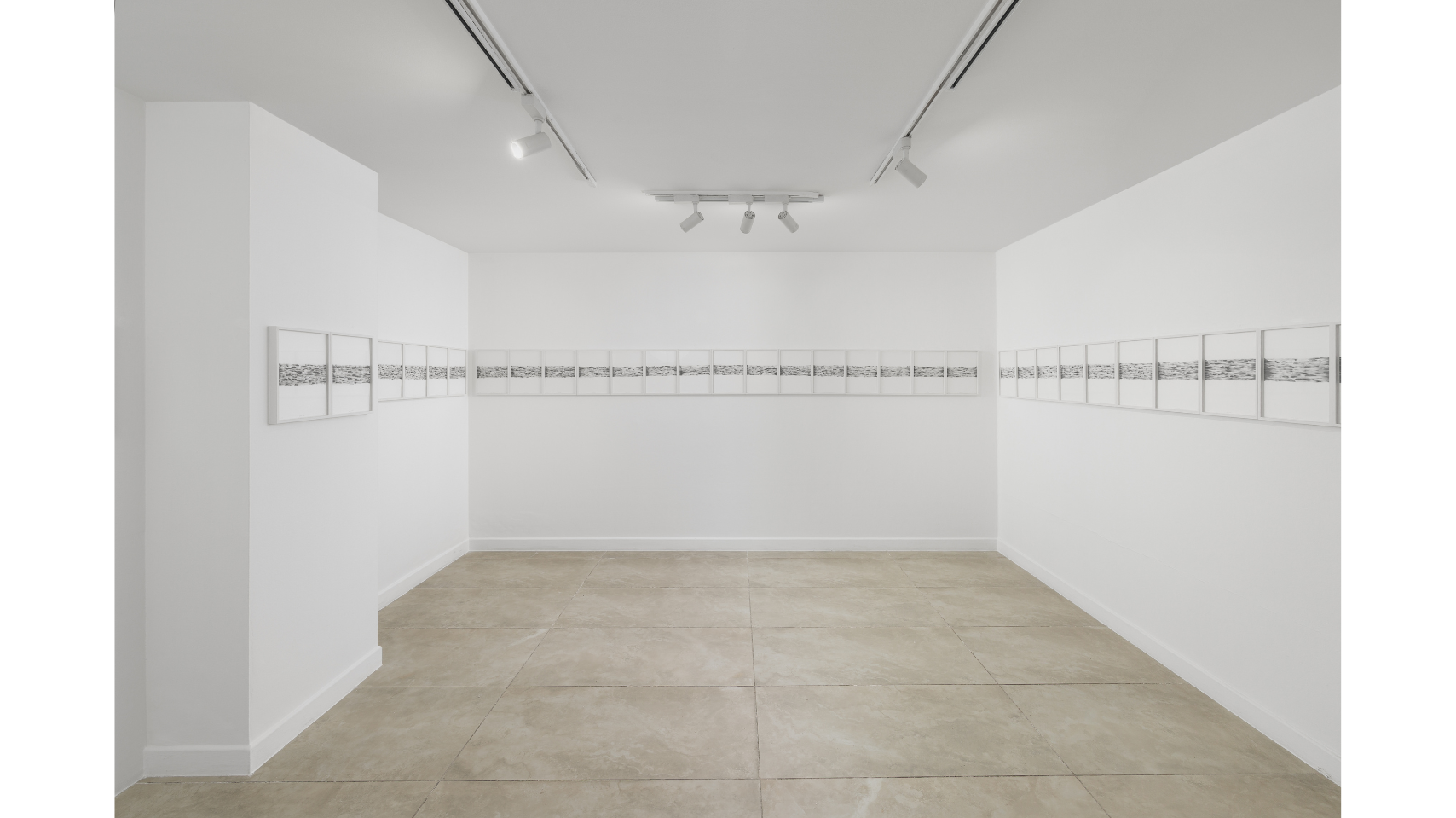
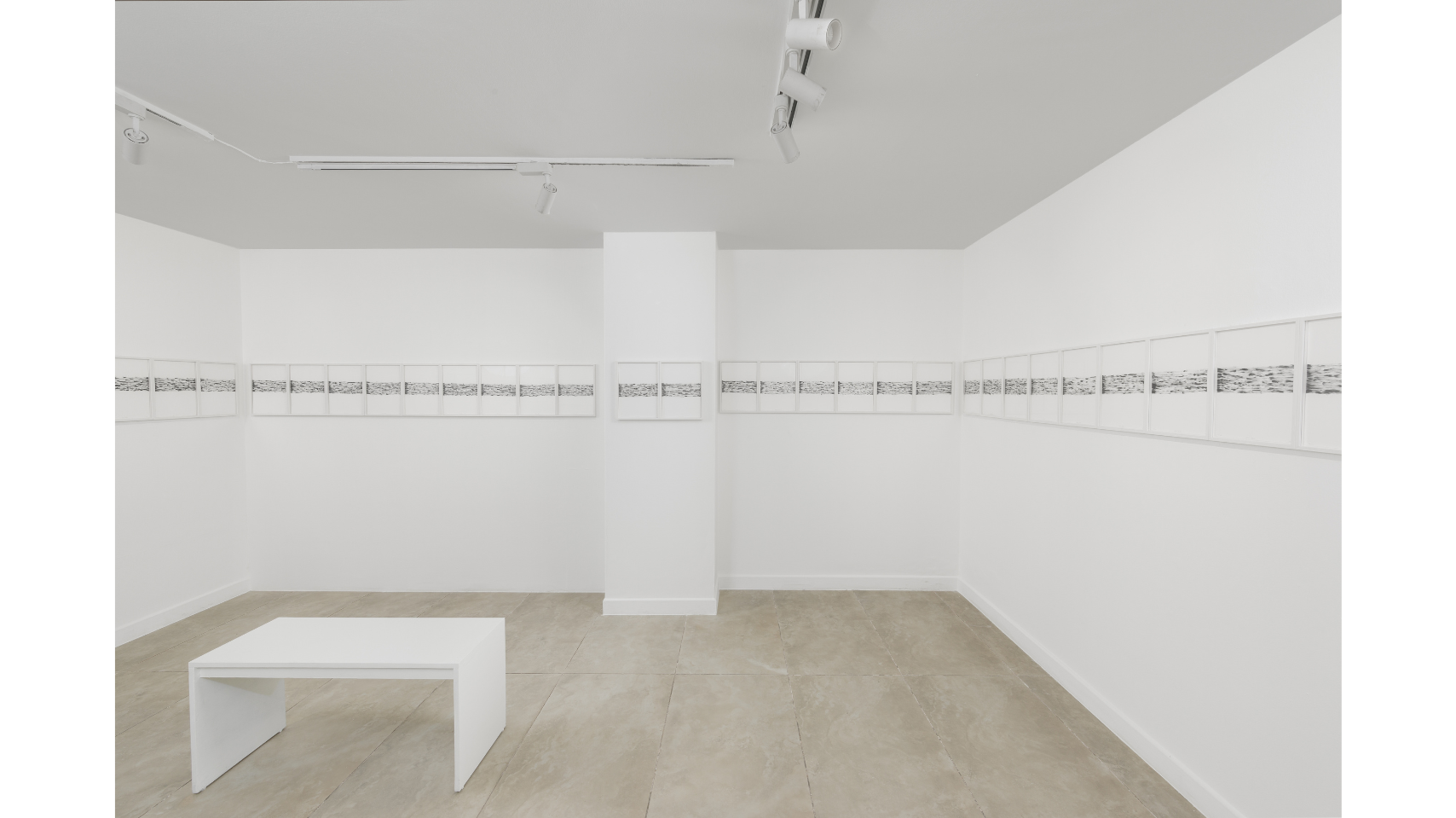
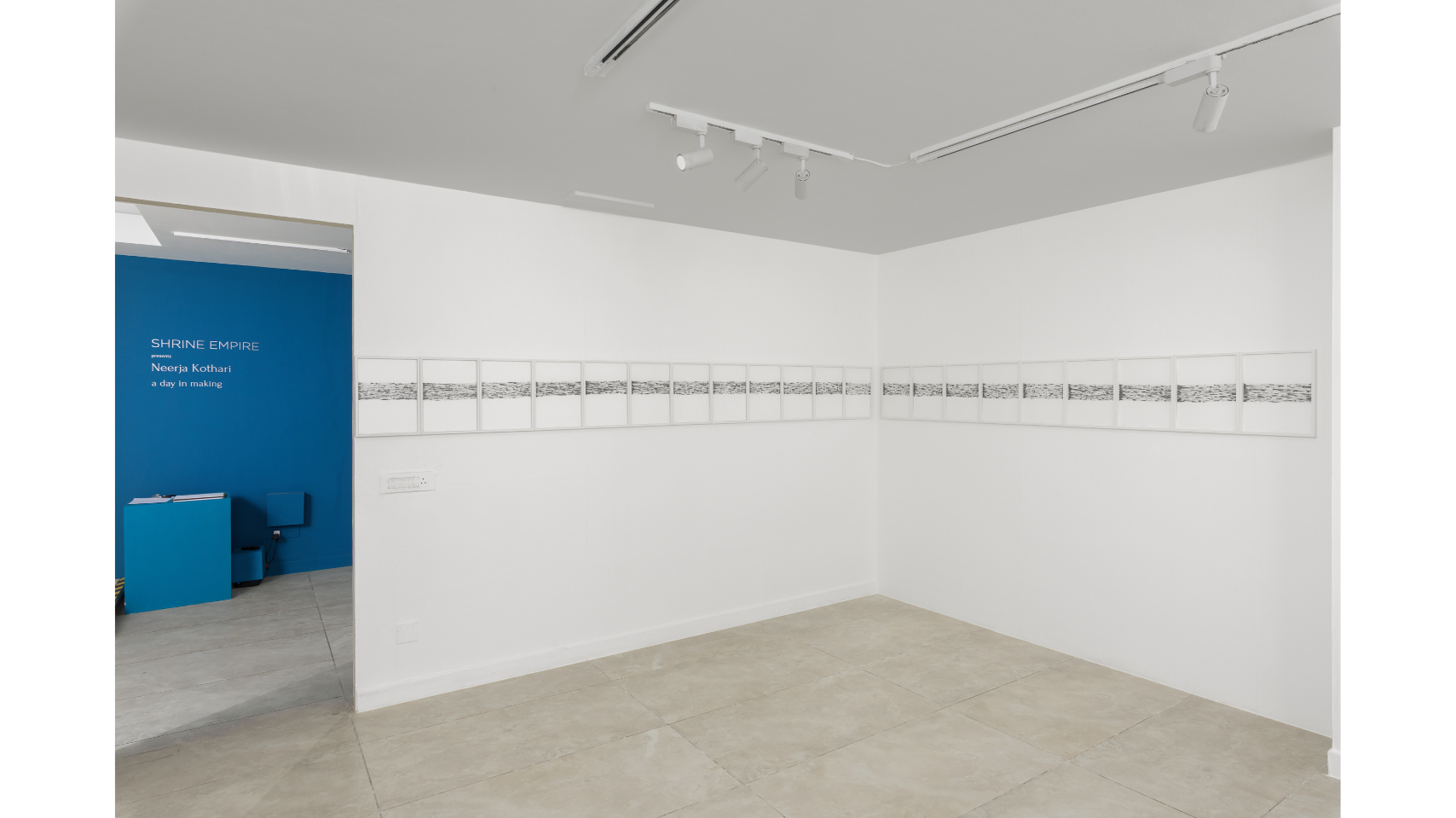
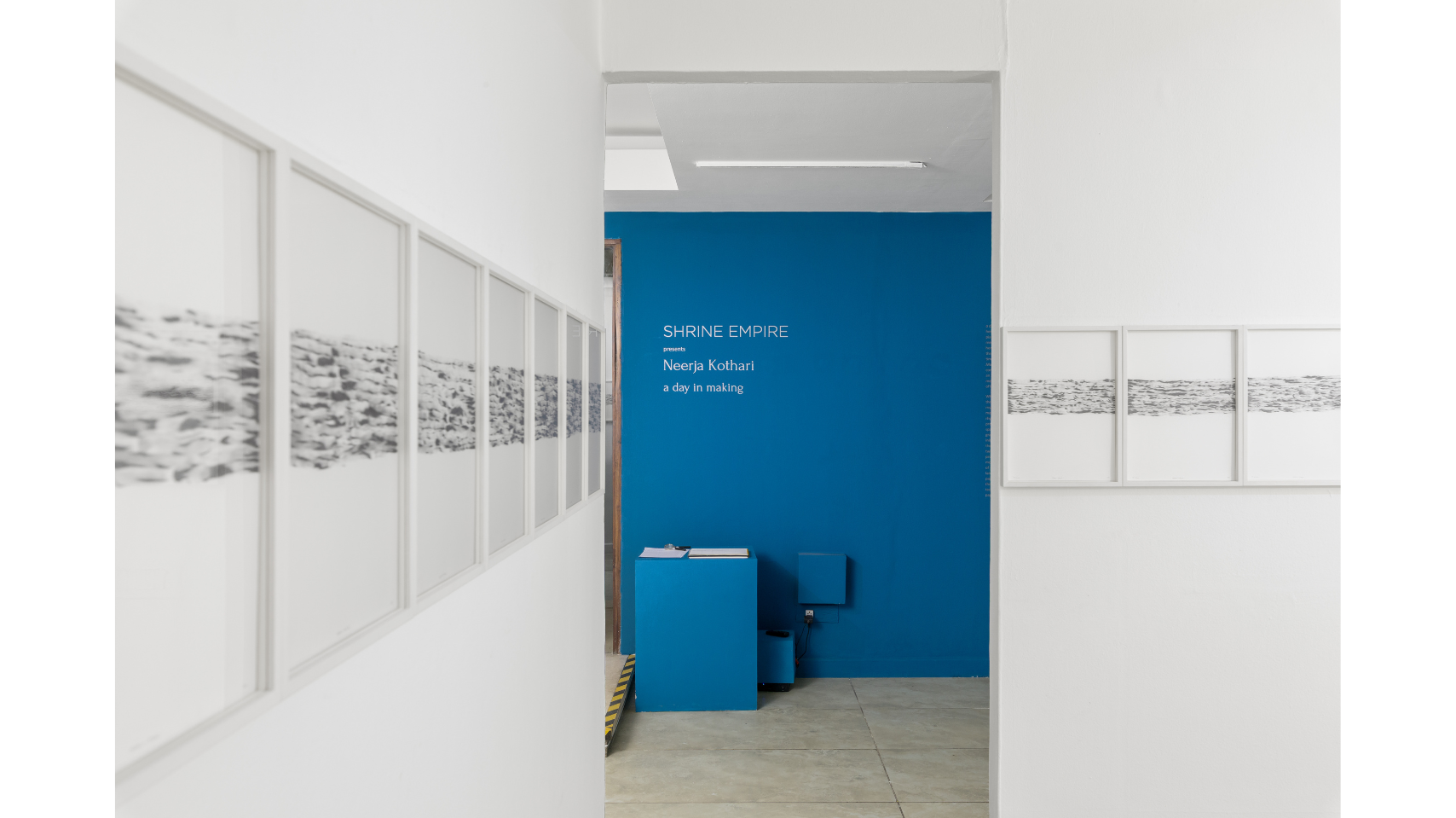
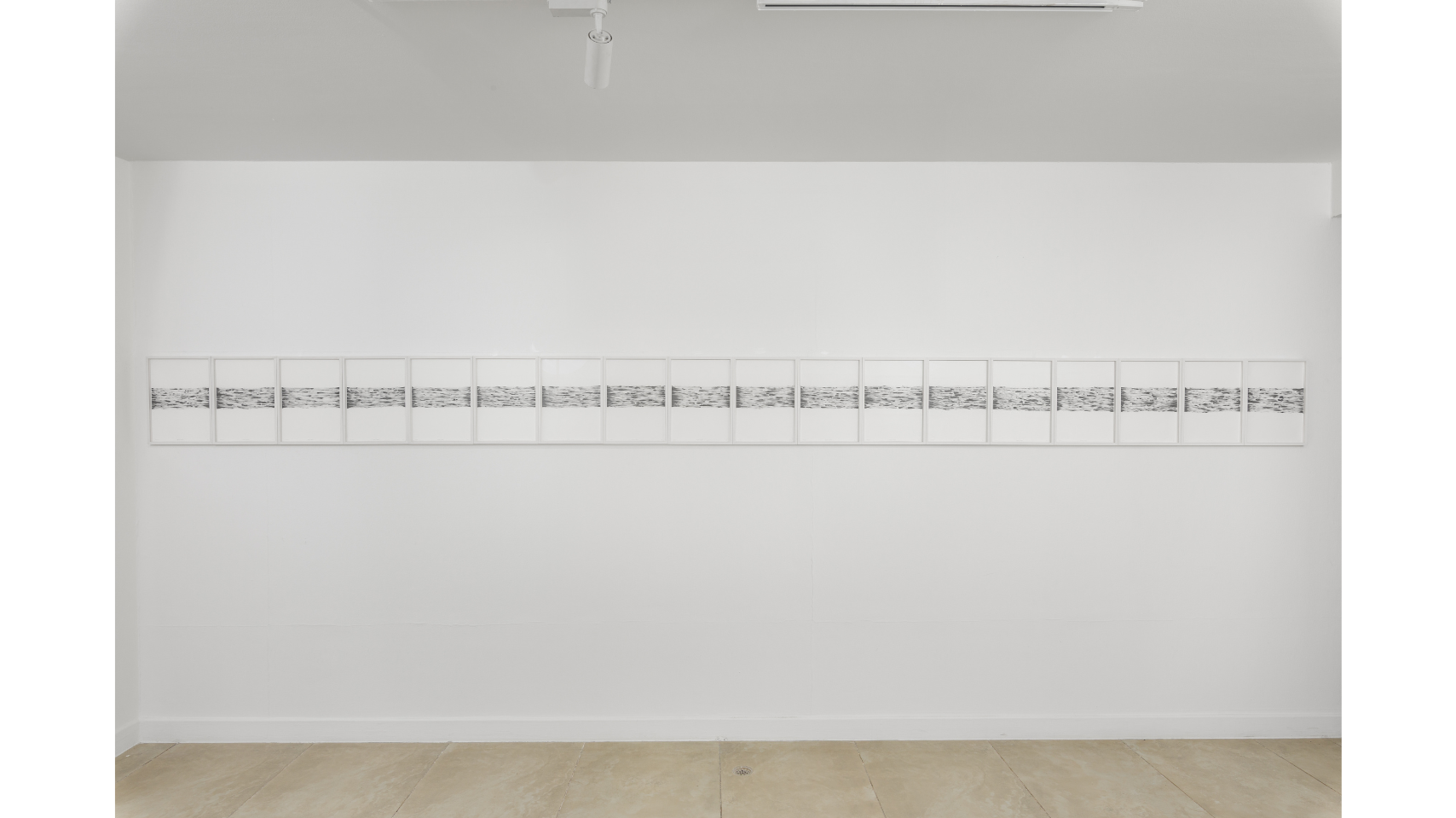
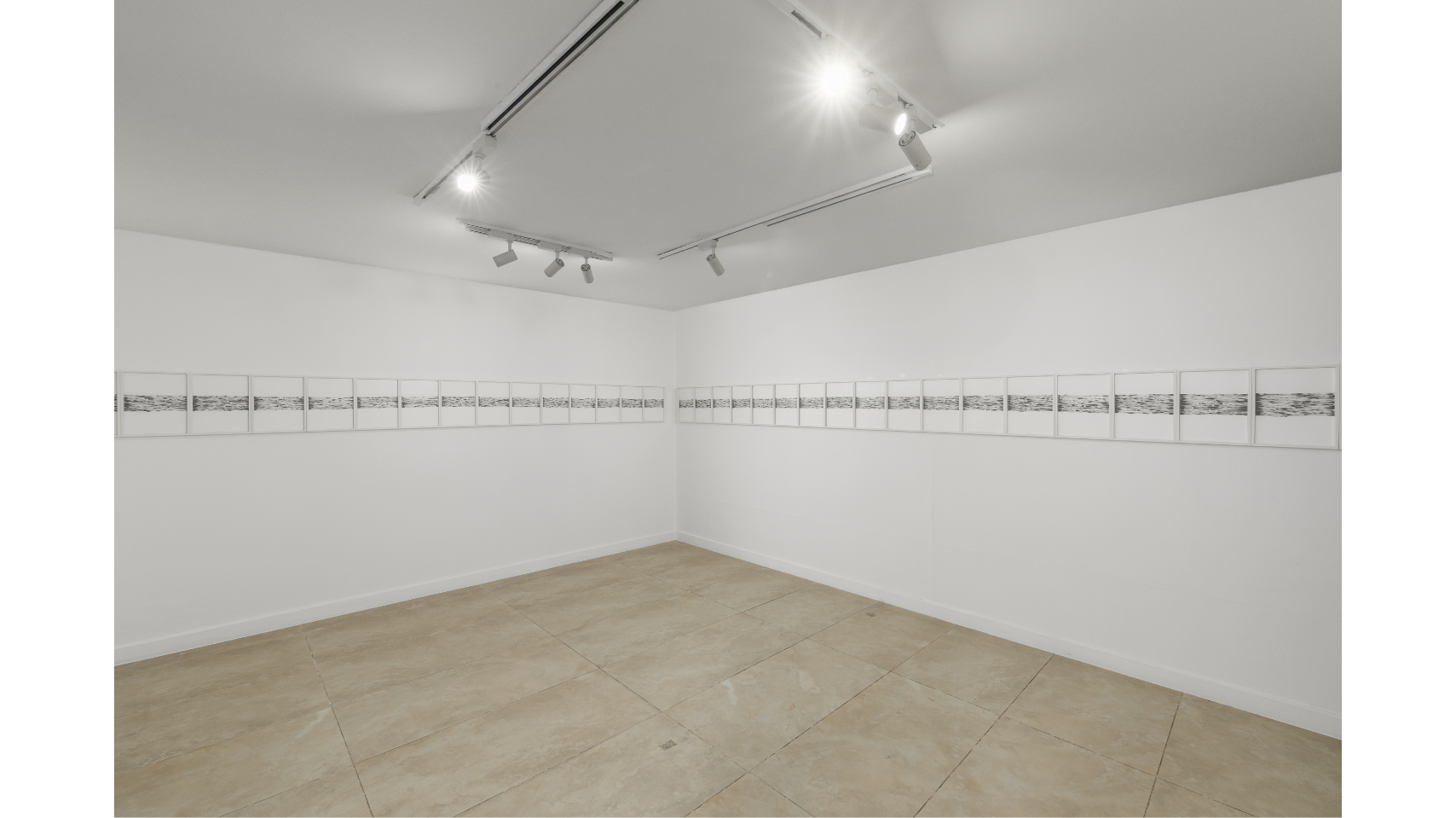
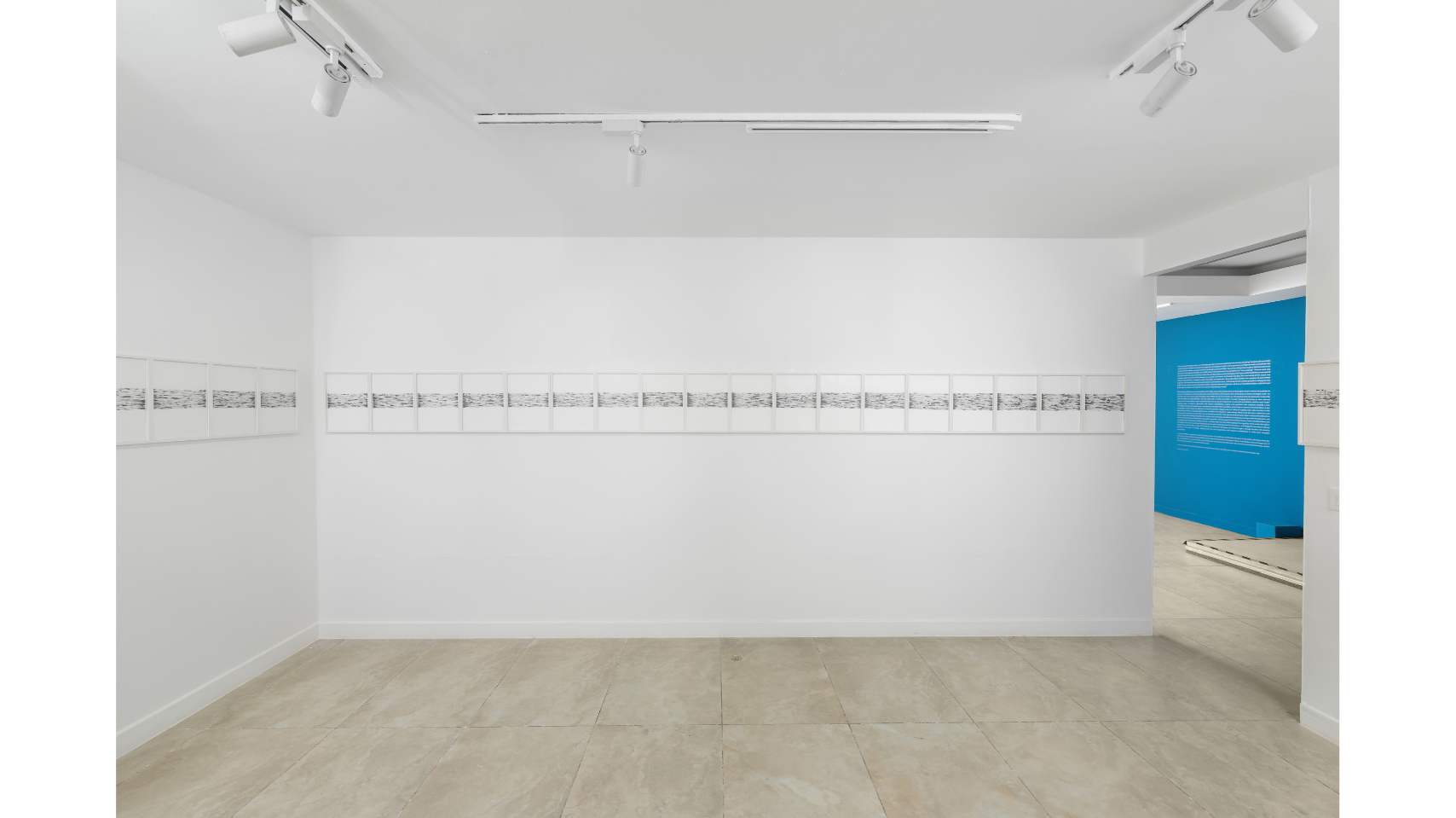
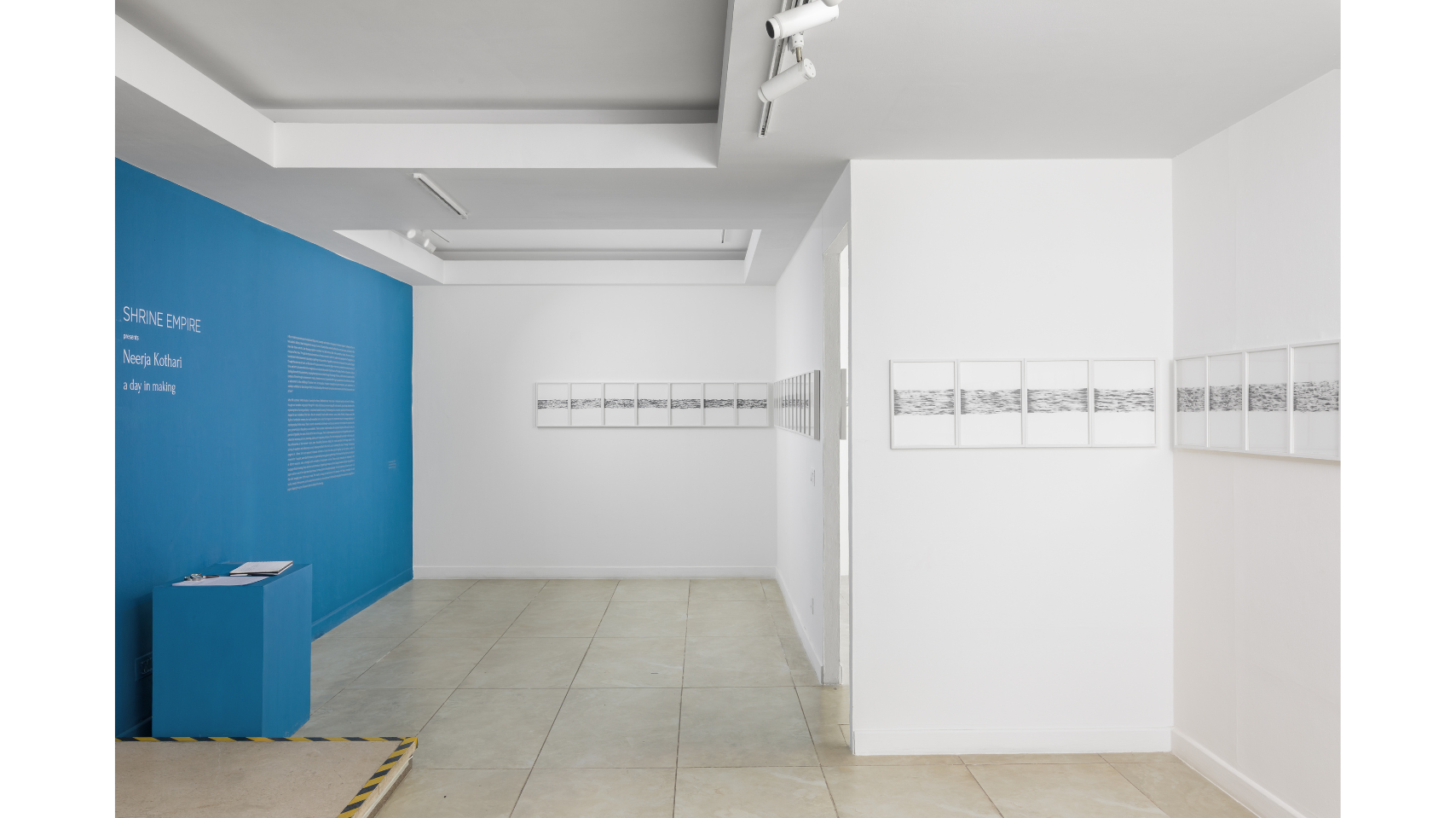
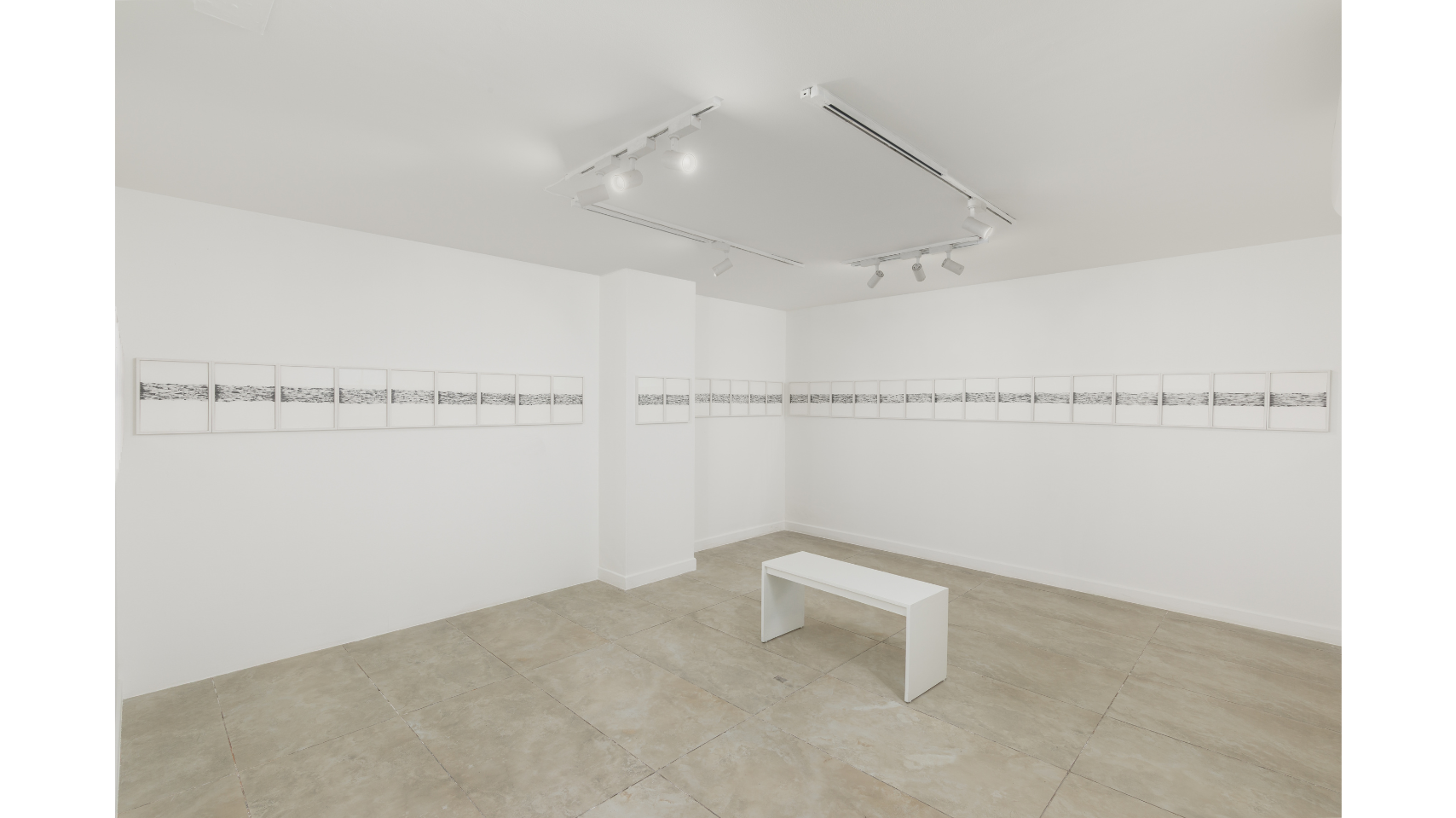
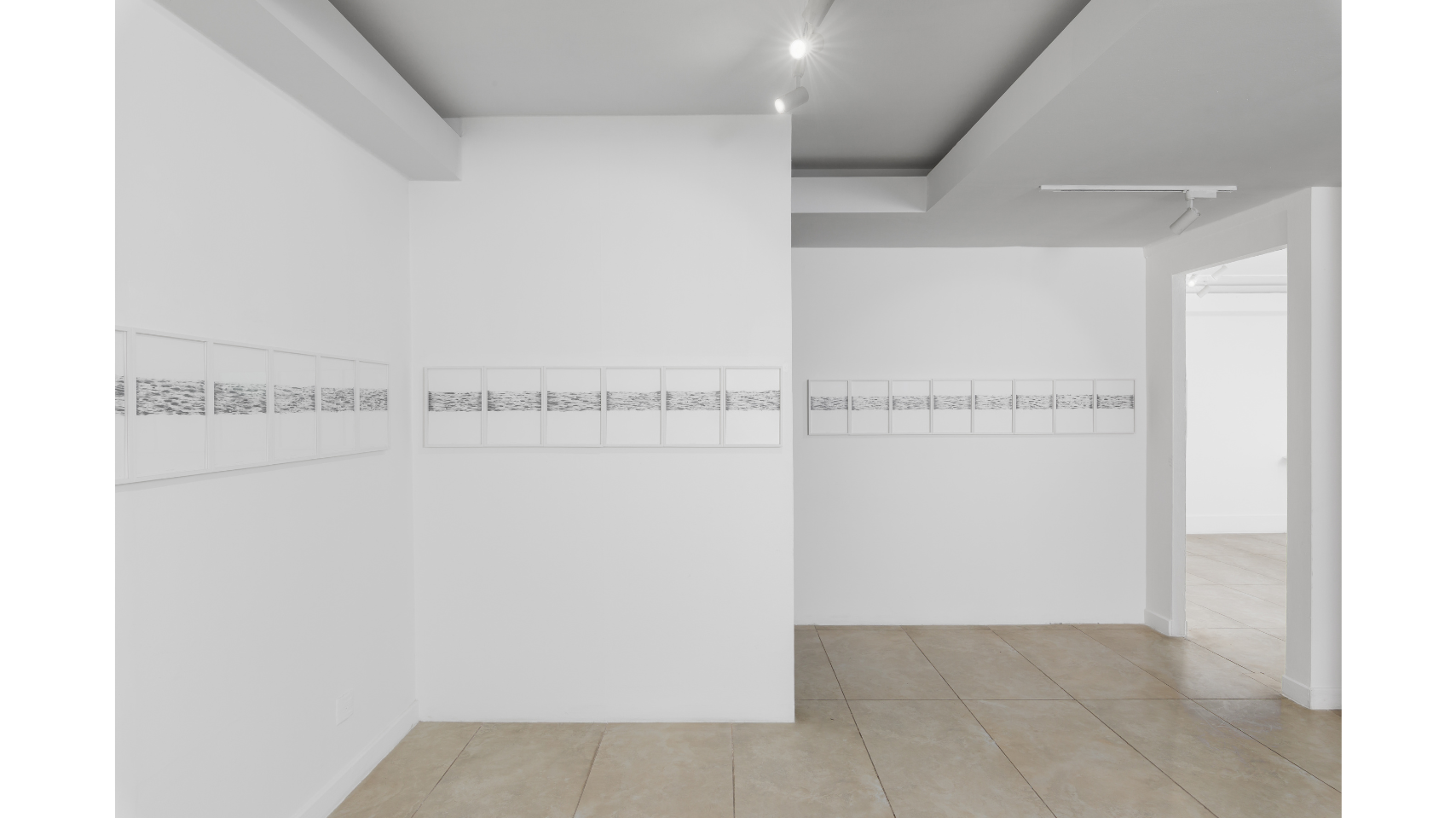
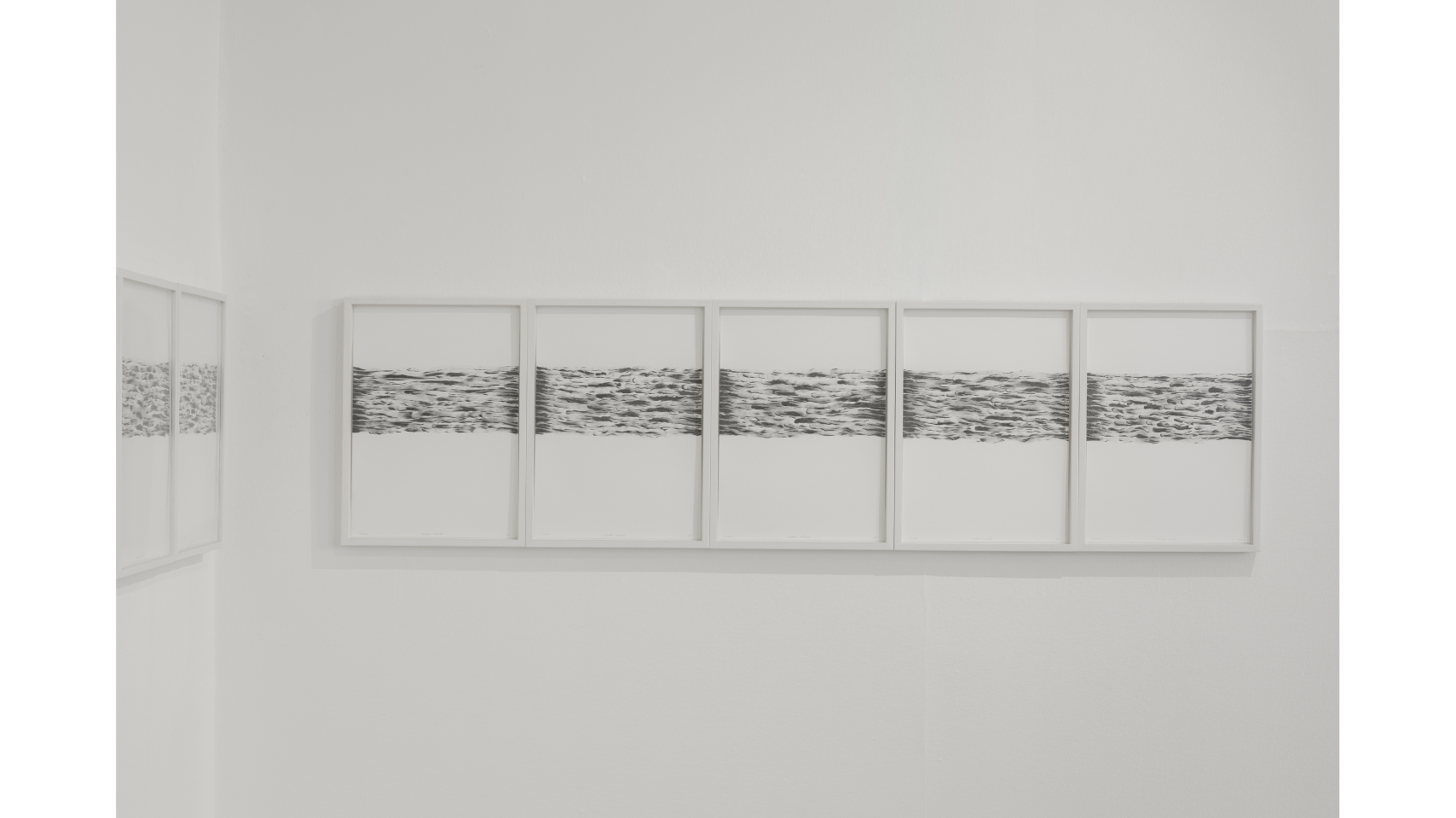
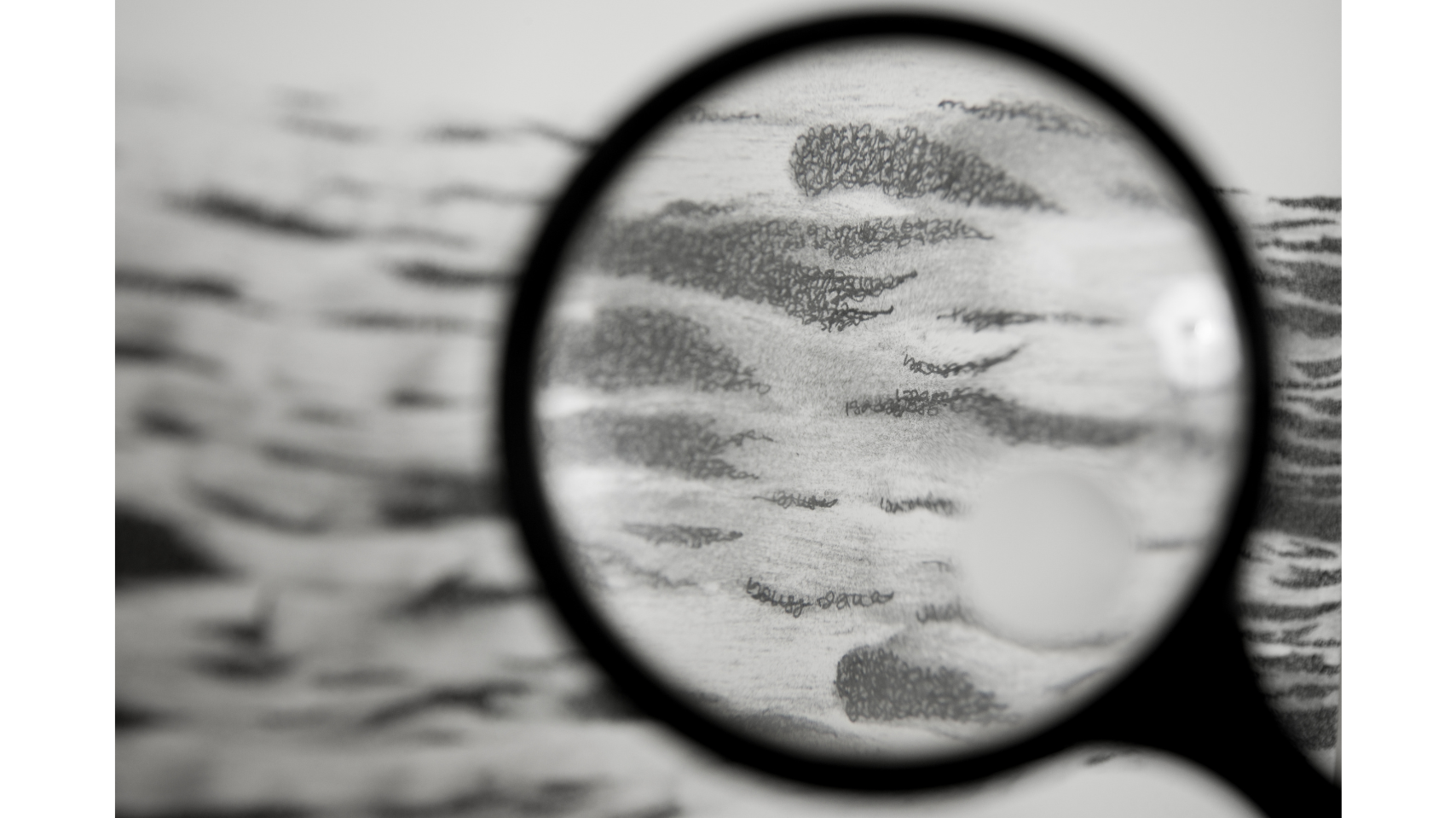
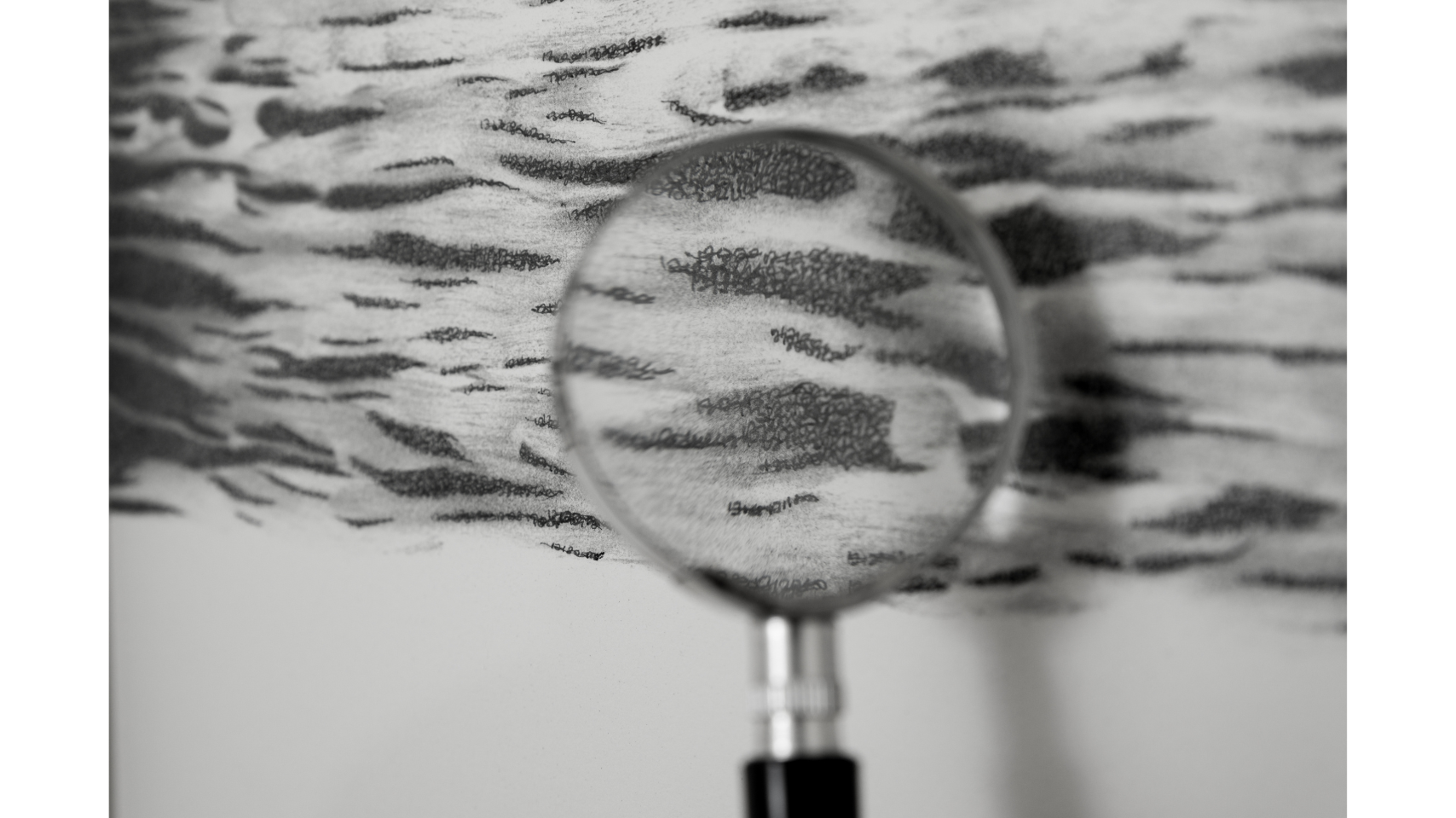
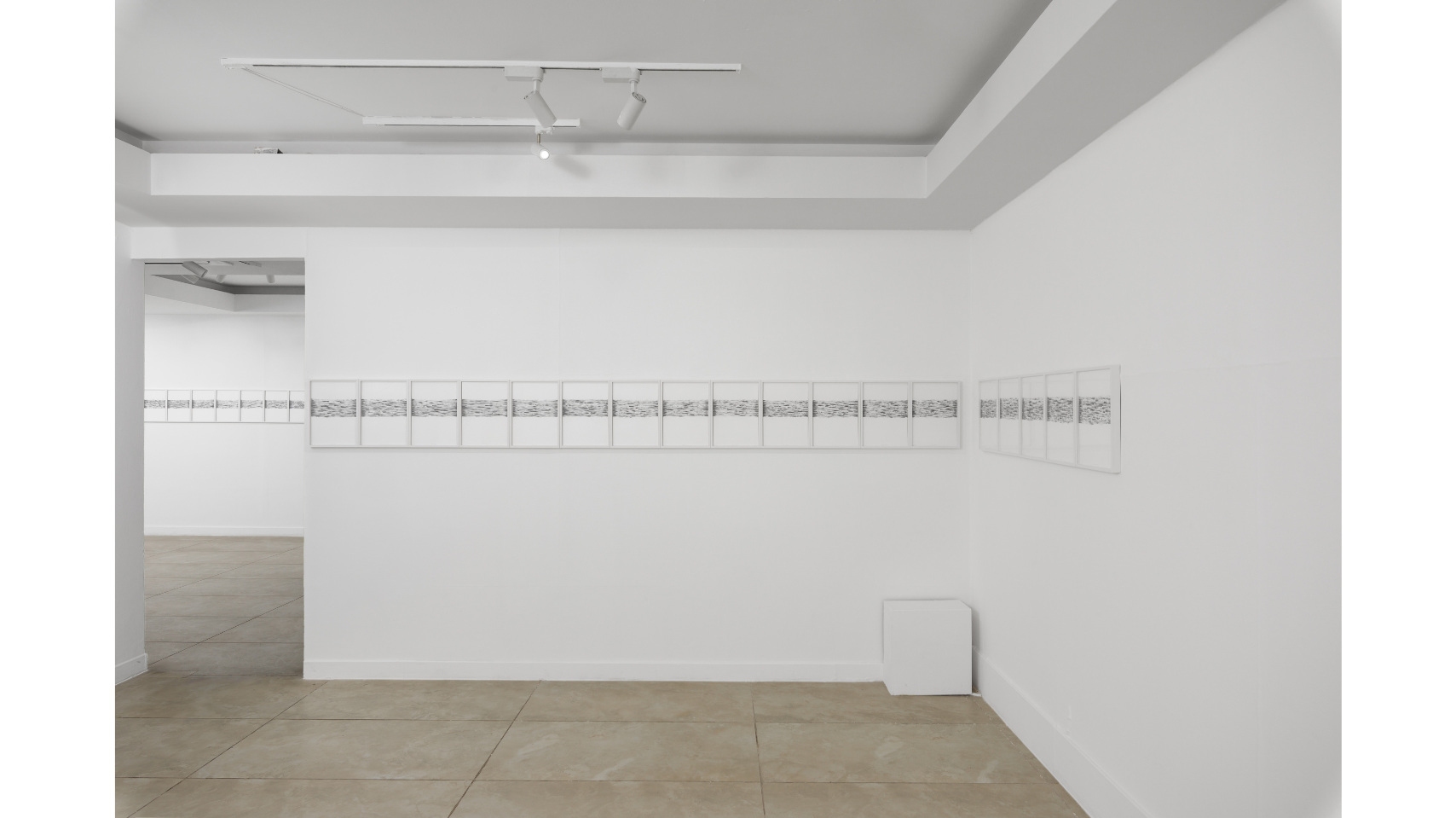
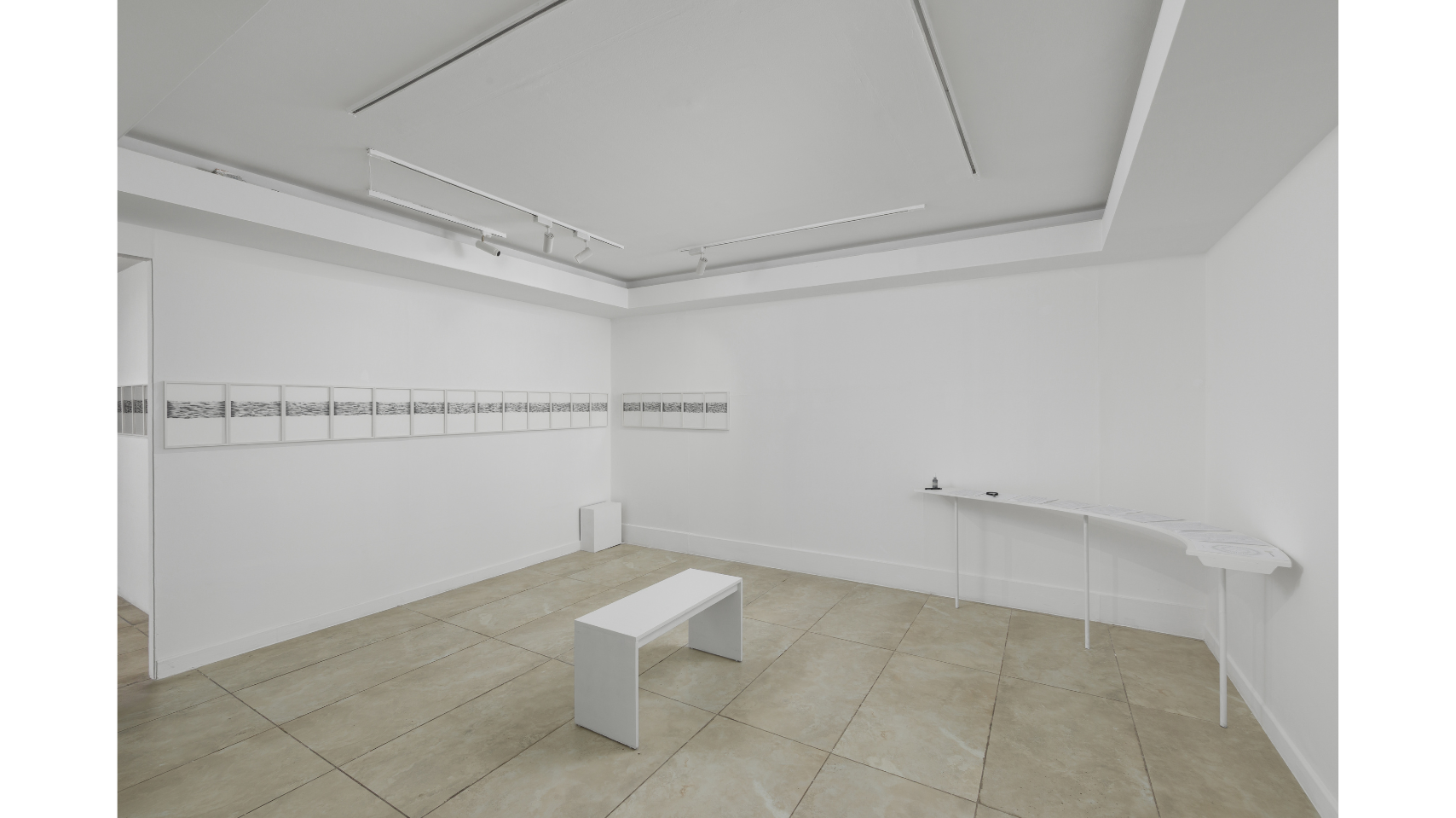
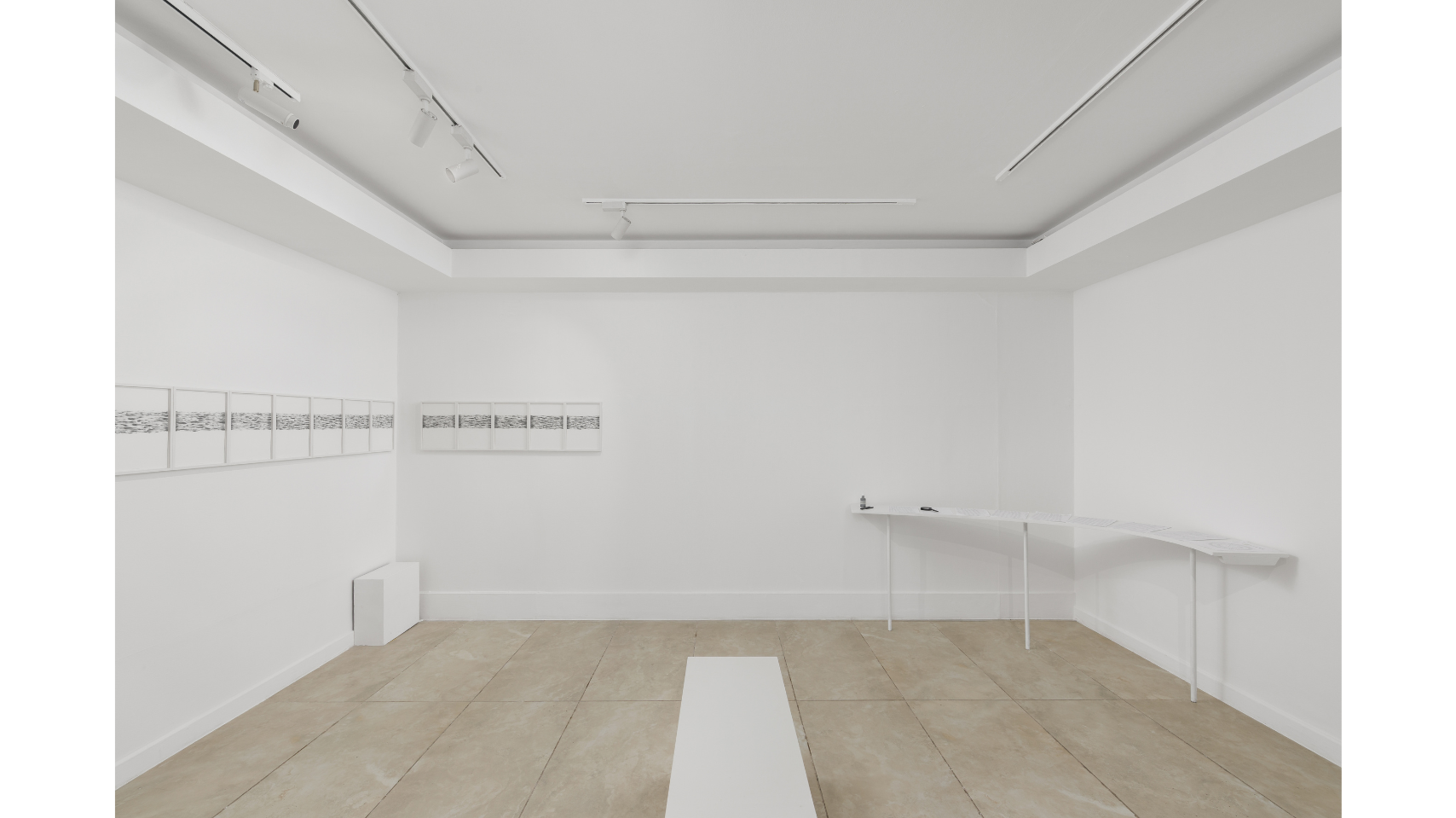
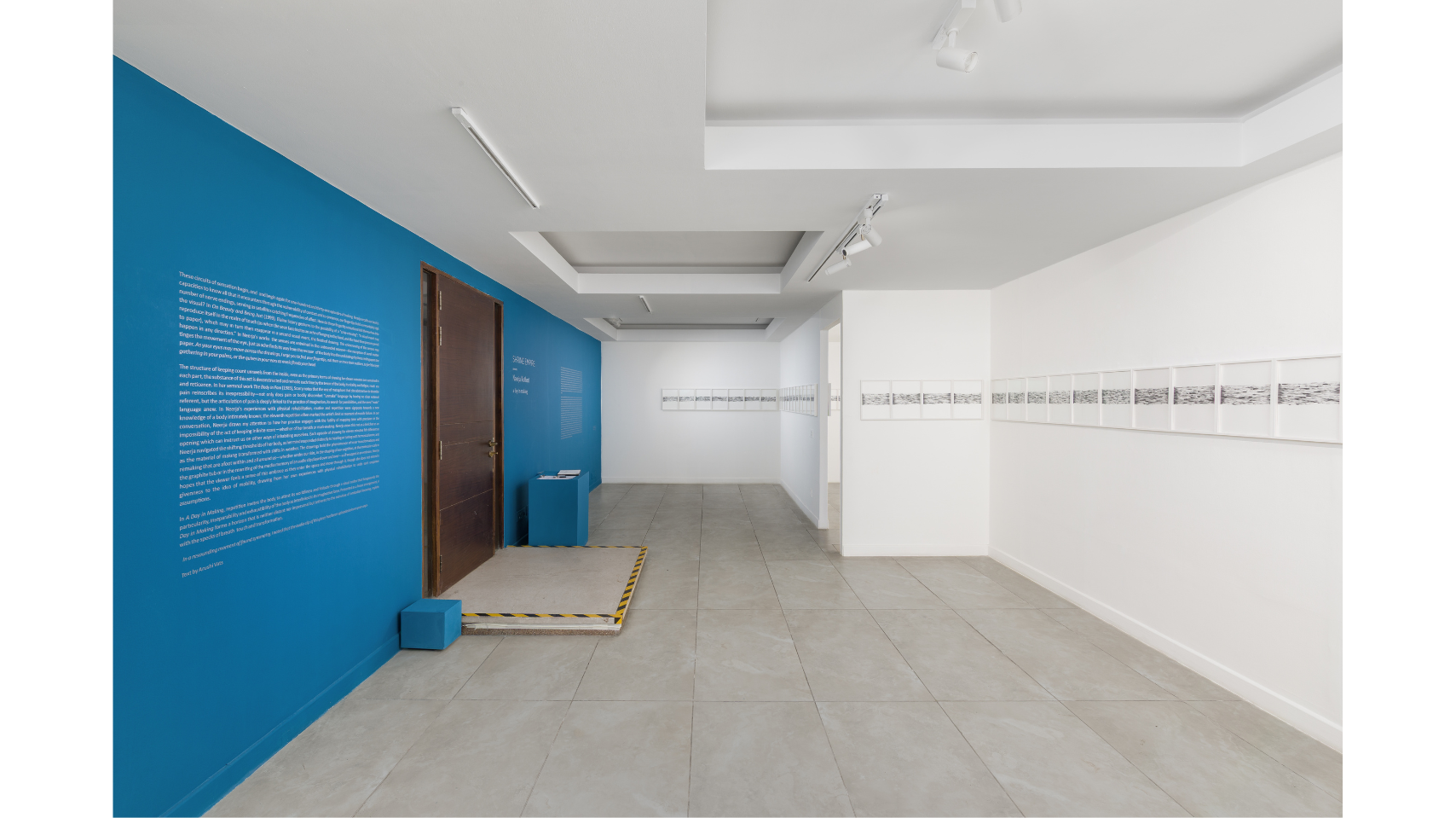
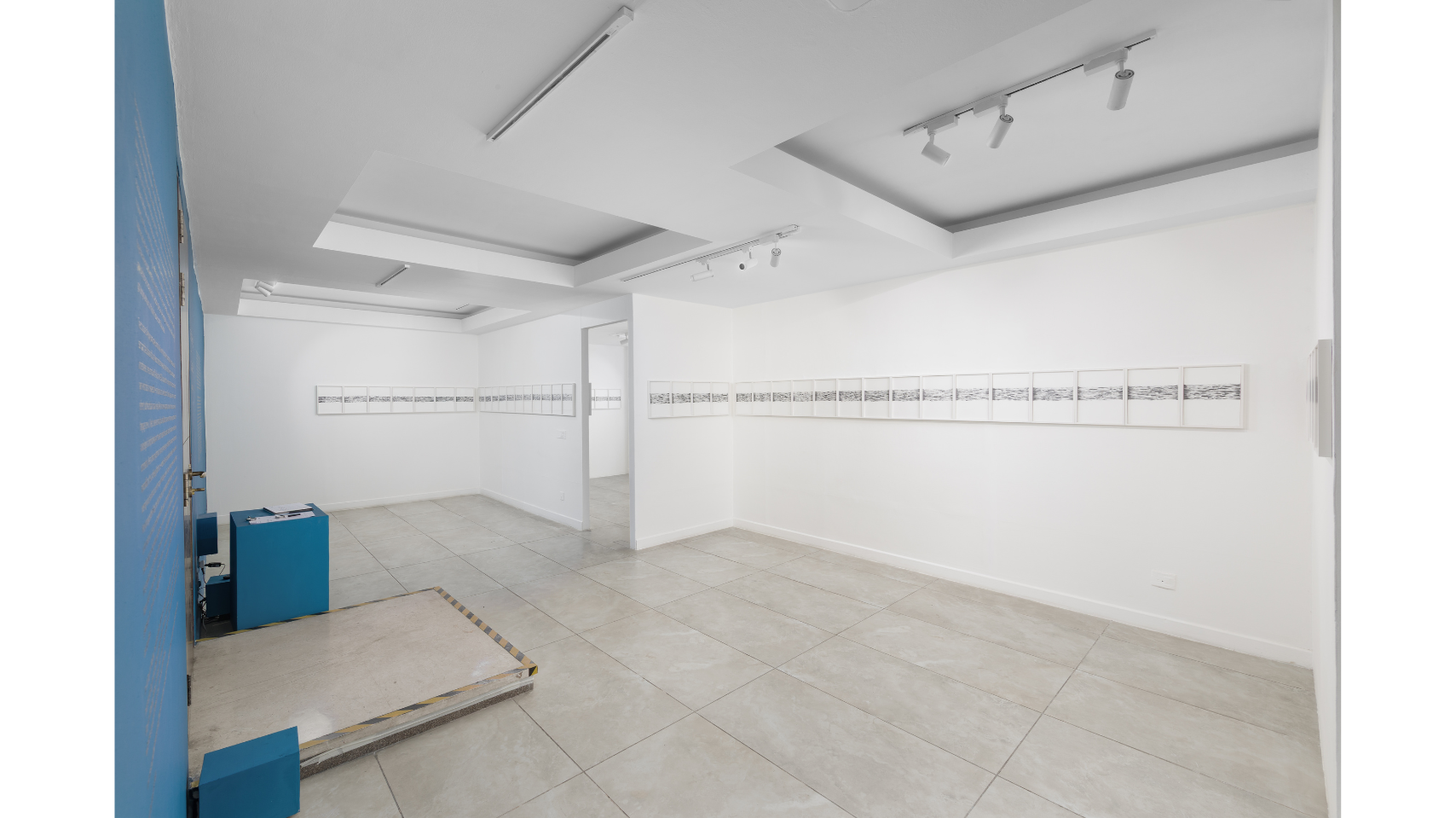
A Day in Making presents one hundred and thirty-one drawings, each made in the expanse of eleven minutes, by Neerja K. in her studio in Kolkata. Made alongside the tempo of a musical composition penned by the artist many years ago, and played on the piano for eleven minutes, the drawings together constitute the 1440 minutes that make twenty-four hours, the most common measure of our lives. Through the repeated enactment of eleven minutes in which the artist’s body arranges itself in alignment to her desk and is then immersed in plunging a single finger into a small tub of graphite, which is then introduced to the surface of paper through the valencies of touch, as the notes of the piano envelop the air in the studio—the series contests the received structure of time, and sets to discover what other imaginations of a day may be possible from the axis of the body. The title of the series, A Day in Making plays with this uncertainty, implying the progression of a day through the passage of hours, and the intent to understand the contours of time through an immersion in making. Neerja measures this period not through an awareness of clock time but through an attunement to the unfolding of creative forms. In the studio, the piano composition is part-companion, part-metronome, its melody a substitute for the ticking of clock; the durationality of the musical composition both contains and refracts this precise slice of time*.
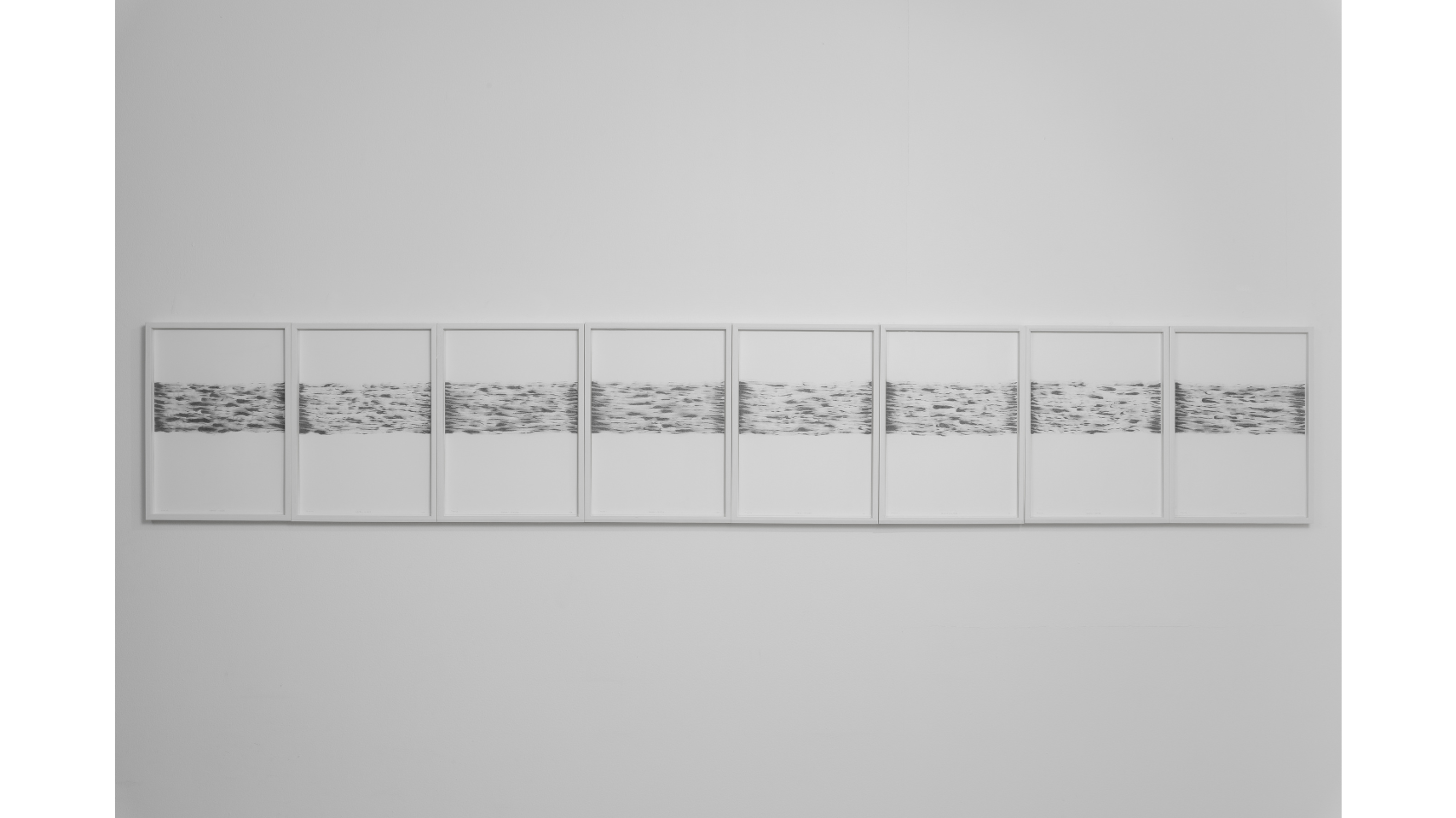
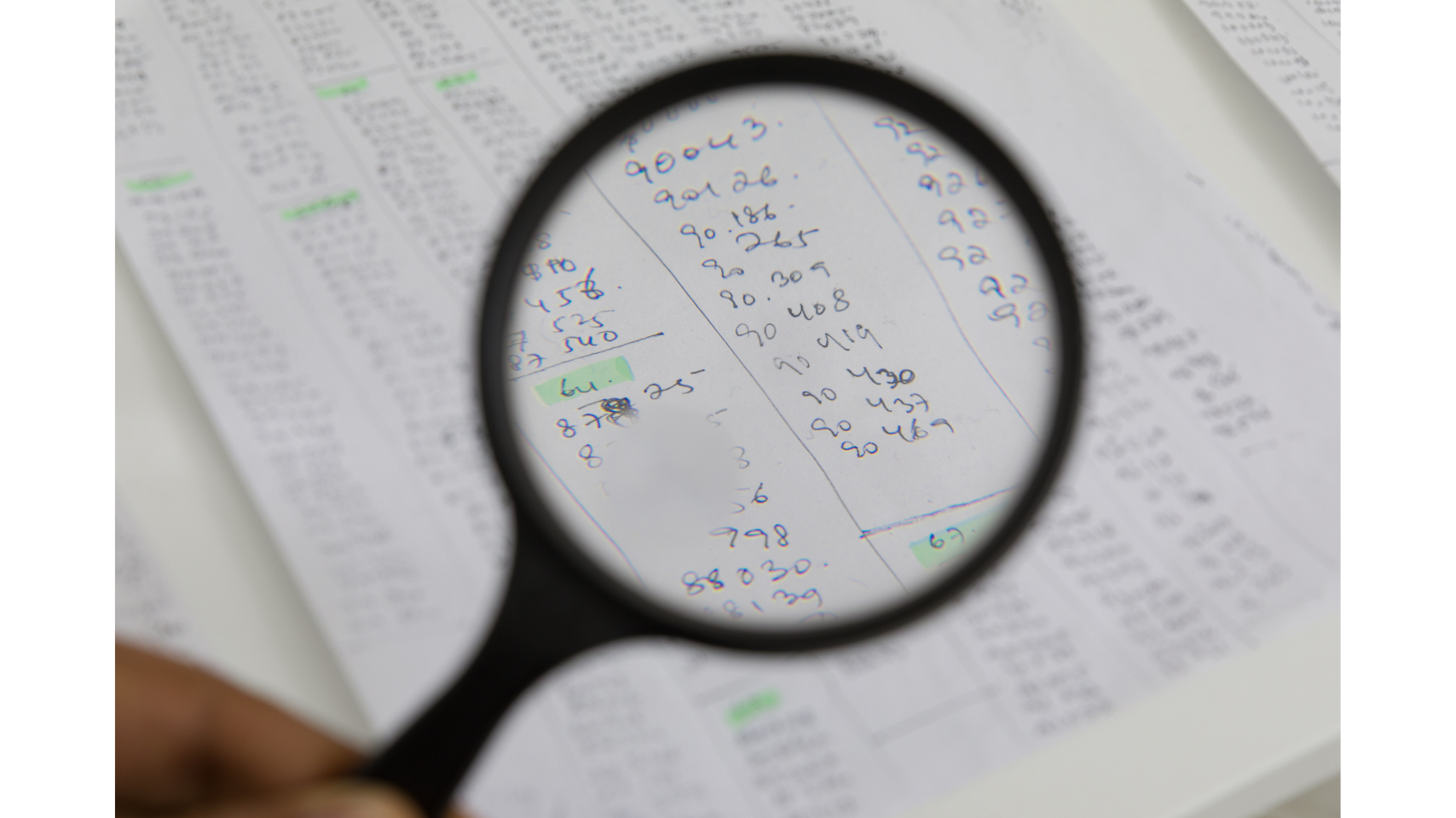
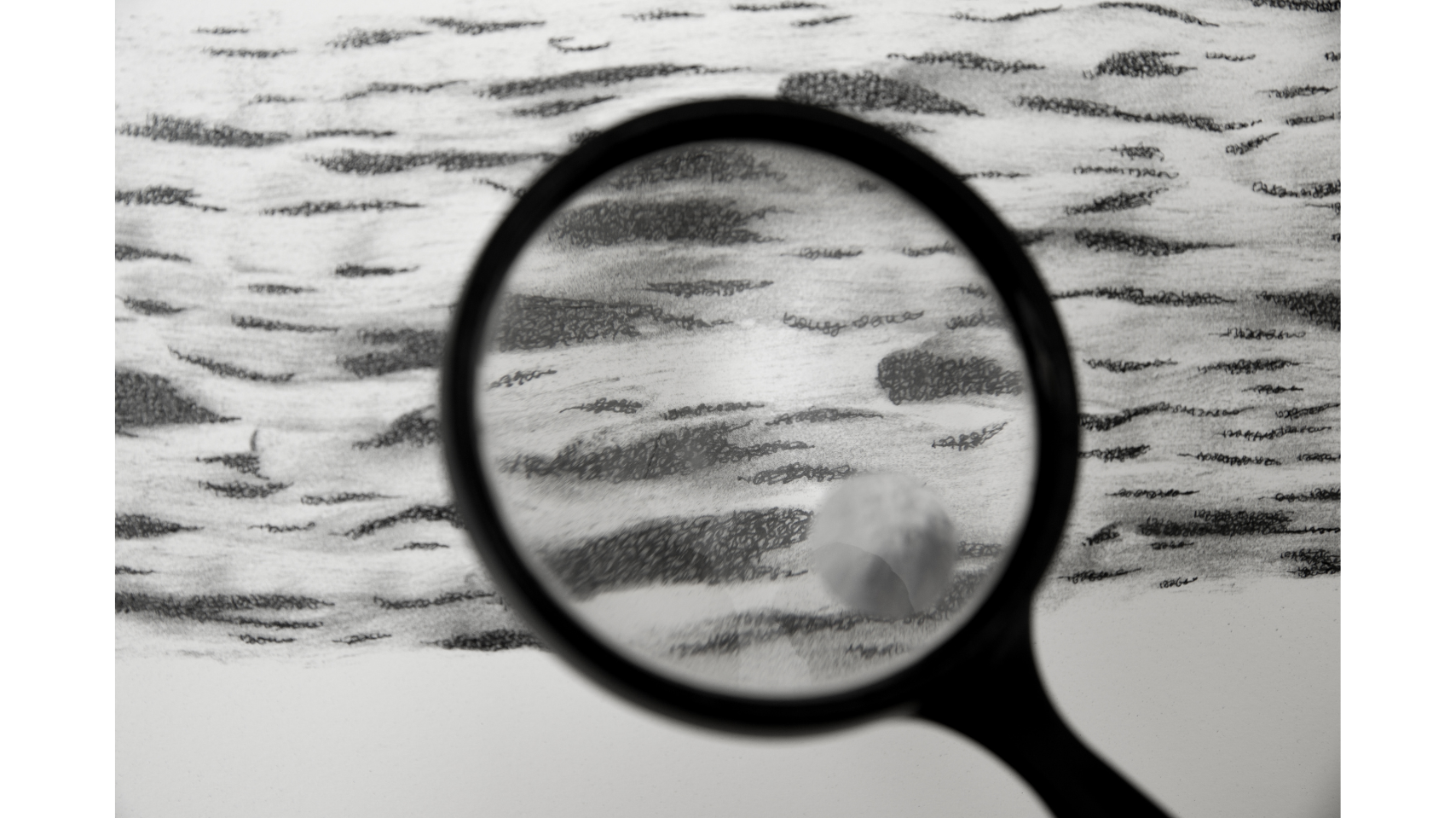
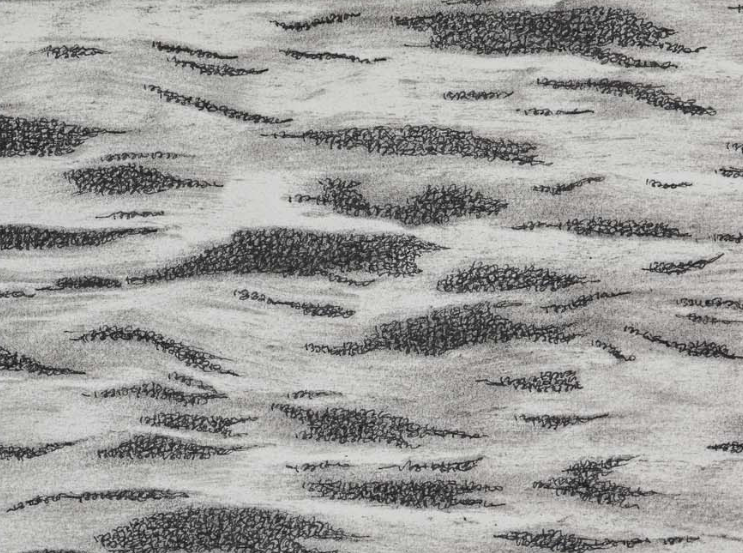
What fills up these 1440 minutes or twenty-four hours, distributed over many days in measured portions of time? For Neerja, thought and sensation are grasped through the body understood phenomenologically and viscerally, by ascribing attention to the myriad registers of sensing and being—a practice of somatic knowing. The drawings act as an asemic repository of time as sensation, mapped in two modalities of the flesh—first, the renewal of touch and its textures—caress, twitch, friction, frottage; second, the rhythm of embodied memory, the recall embedded in the body that recognises the moment of return, the strange familiarity of pressing replay. On the senses: There is sound—acousmatic and ethereal—and its aural awareness that remakes the experience of a space, present also in the gallery as a soundtrack. There is contact, which mediates the corporeal registers of the artist’s body, the granules of graphite, the veins of ink and the body of the paper. There is sight steeped in anticipation, as the graphite and ink marks initiate the becoming of forms, leavening, clotting and coagulating. On being: The artist brings herself recursively to this ritual, with the particularities of the moment—strain, ease, discomfort, lassitude, vitality. The marks assembled on the page attest to this twining of repetition and rediscovery as each drawing testifies to the artist’s act of reclaiming the time of making. The drawings progress as a linear form yet represent disparate moments of time that when placed together can be read as a series of movements—buoyant, wave-like formations are appended by heavy, galvanic gatherings of ink. In each of these forms is the deposit of distinct moments, often entangled with annotations of subsequent minutes. These varying intensities are registered in the language of mark-making: sharp, insistent concentrations of graphite give way to ethereal, languid swathes. Neerja rubs graphite on paper and then uses ink to linger over these traces, forming clusters of emotional density, the lived experience of every minute—all the while keeping score of the marks made. The haptic is always an interlocutor in this process—the finger, sensorially rich and tactile, sweats in the summer, and is coated with emollients in the winter, each blends with and guides the movement of graphite on paper, slipping the cycles of seasons into the body of the drawing.
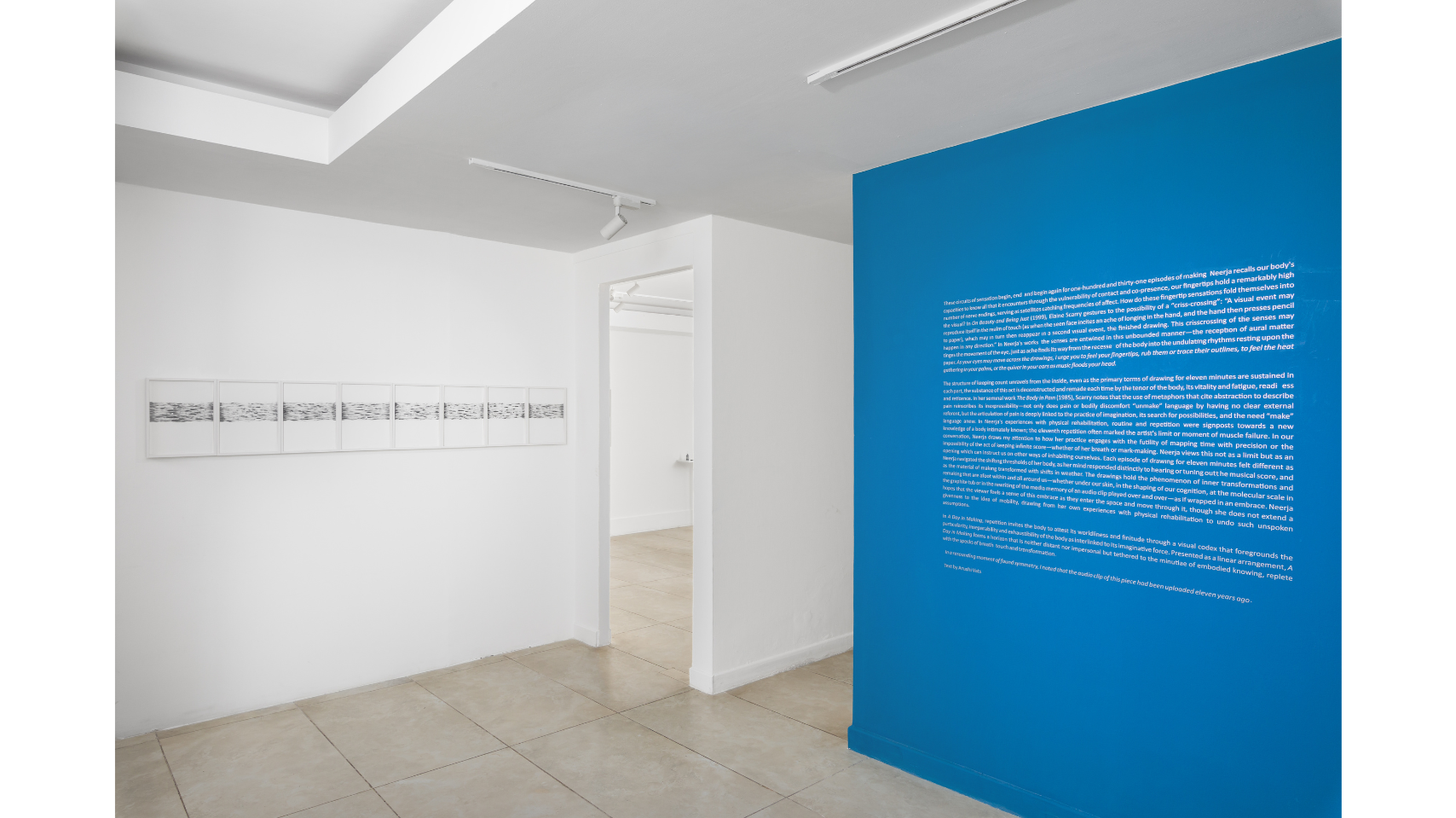
These circuits of sensation begin, end, and begin again for one-hundred and thirty-one episodes of making. Neerja recalls our body’s capacities to know all that it encounters through the vulnerability of contact and co-presence, our fingertips hold a remarkably high number of nerve endings, serving as satellites catching frequencies of affect. How do these fingertip sensations fold themselves into the visual? In On Beauty and Being Just (1999), Elaine Scarry gestures to the possibility of a “criss-crossing”: “A visual event may reproduce itself in the realm of touch (as when the seen face incites an ache of longing in the hand, and the hand then presses pencil to paper), which may in turn then reappear in a second visual event, the finished drawing. This crisscrossing of the senses may happen in any direction.” In Neerja’s works, the senses are entwined in this unbounded manner—the reception of aural matter tinges the movement of the eye; just as ache finds its way from the recesses of the body into the undulating rhythms resting upon the paper. As your eyes may move across the drawings, I urge you to feel your fingertips, rub them or trace their outlines, to feel the heat gathering in your palms, or the quiver in your ears as music floods your head.
The structure of keeping count unravels from the inside, even as the primary terms of drawing for eleven minutes are sustained in each part, the substance of this act is deconstructed and remade each time by the tenor of the body, its vitality and fatigue, readiness and reticence. In her seminal work The Body in Pain (1985), Scarry notes that the use of metaphors that cite abstraction to describe pain reinscribes its inexpressibility—not only does pain or bodily discomfort “unmake” language by having no clear external referent, but the articulation of pain is deeply linked to the practice of imagination, its search for possibilities, and the need “make” language anew. In Neerja’s experiences with physical rehabilitation, routine and repetition were signposts towards a new knowledge of a body intimately known; the eleventh repetition often marked the artist’s limit or moment of muscle failure. In our conversation, Neerja draws my attention to how her practice engages with the futility of mapping time with precision or the impossibility of the act of keeping infinite score—whether of her breath or mark-making. Neerja views this not as a limit but as an opening which can instruct us on other ways of inhabiting ourselves. Each episode of drawing for eleven minutes felt different as Neerja navigated the shifting thresholds of her body, as her mind responded distinctly to hearing or tuning out the musical score, and as the material of making transformed with shifts in weather. The drawings hold the phenomenon of inner transformations and remaking that are afoot within and all around us—whether under our skin, in the shaping of our cognition, at the molecular scale in the graphite tub or in the rewriting of the media memory of an audio clip played over and over—as if wrapped in an embrace. Neerja hopes that the viewer feels a sense of this embrace as they enter the space and move through it, though she does not extend a givenness to the idea of mobility, drawing from her own experiences with physical rehabilitation to undo such unspoken assumptions.
In A Day in Making, repetition invites the body to attest its worldliness and finitude through a visual codex that foregrounds the particularity, inseparability and exhaustibility of the body as interlinked to its imaginative force. Presented as a linear arrangement, A Day in Making forms a horizon that is neither distant nor impersonal but tethered to the minutiae of embodied knowing, replete with the specks of breath, touch and transformations.
*In a resounding moment of found symmetry, I noted that the audio clip of this piece had been uploaded eleven years ago.